

Trigger Stacking in Dogs: Stamford Owners’ Stress Guide
 Why Your Dog’s Reactions Can Change From Day to Day
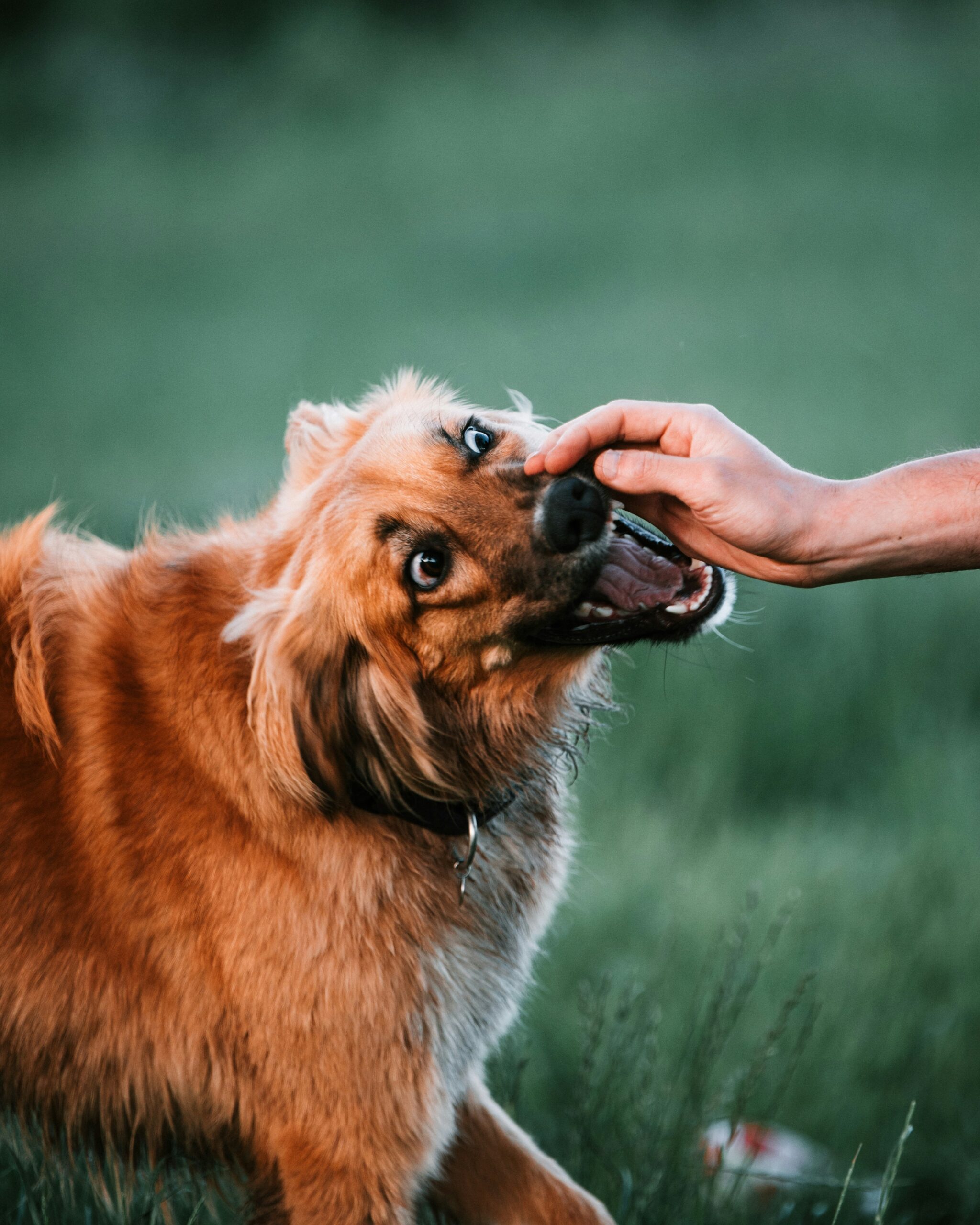
One morning, your dog walks past another dog without reacting. The following afternoon, the same encounter results in barking, pulling, or lunging.
What changed?
Sometimes the answer isn’t the dog across the street. It’s everything your dog experienced earlier that day.
This is the idea behind trigger stacking in dogs, a concept that helps explain how multiple stressful or highly stimulating experiences can accumulate.
For Stamford dog owners, understanding trigger stacking is particularly useful when navigating downtown sidewalks, apartment buildings, busy parks, and unfamiliar social situations.
Recognizing accumulated stress can help you respond before your dog becomes overwhelmed.
Key Takeaways
- Trigger stacking occurs when multiple stressors build before a dog has adequately recovered.
- Dogs may react differently to the same trigger depending on their earlier experiences.
- Busy urban environments can expose dogs to several triggers in a short period.
- Early stress signals include stiffness, avoidance, panting, and difficulty settling.
- Management reduces immediate exposure, while training works toward longer-term behavioral improvement.
- Persistent reactivity should be addressed with qualified professional guidance.
What Is Trigger Stacking in Dogs?
Understanding Cumulative Stress
Trigger stacking happens when several challenging experiences occur close together.
Imagine your dog experiences a loud delivery truck, an unfamiliar visitor, and an uncomfortable encounter with another dog.
Each event may be manageable individually.
However, when these experiences happen without enough recovery time, your dog’s ability to cope may decrease.
The final event can produce a stronger reaction than you would normally expect.
The Stress Bucket Analogy
Picture a bucket representing your dog’s capacity to handle stress.
Each challenging experience adds water.
A barking dog might add a little. A frightening encounter might add much more.
Rest and recovery allow the level to decrease.
When the bucket becomes too full, your dog may react intensely, withdraw, or struggle to follow familiar cues.
The bucket is a useful illustration, not a literal measurement of a dog’s stress.
Common Triggers for Stamford Dogs
Different dogs respond to different situations.
Common triggers include:
- Unfamiliar dogs in apartment hallways
- Crowded sidewalks
- Delivery trucks and traffic
- Construction noise
- Elevator encounters
- Veterinary visits
- Unexpected visitors
- Grooming and handling
- Pain, fatigue, or illness
Some dogs also become overwhelmed by highly exciting experiences.
A long day of play, visitors, and unfamiliar activities may leave a dog less tolerant of additional stimulation.
How Stress Affects Canine Behavior
When a dog experiences something challenging, the body activates stress-response systems.
These responses can affect attention, movement, and emotional reactions.
If additional stressors occur before the dog settles, the cumulative experience may increase the likelihood of reactivity.
However, not every sudden behavioral change is caused by trigger stacking.
Pain, medical conditions, frustration, and learning history can also influence behavior.
Understanding the broader situation is essential.
Recognizing Trigger Stacking Before a Reaction
Early Warning Signs
Look for changes such as:
- Repeated lip licking
- Yawning during unfamiliar interactions
- Turning away
- Stiff posture
- Increased panting
- Pacing
- Trembling
- Attempts to retreat
- Difficulty settling
These behaviors should be evaluated together and compared with your dog’s normal behavior.
Approaching the Reactivity Threshold
A dog nearing its threshold may become intensely focused on a distraction.
You might notice that your dog stops responding to their name or becomes increasingly difficult to redirect.
Some dogs begin barking or pulling.
Others freeze or attempt to escape.
Recognizing these changes early allows you to reduce the intensity of the situation.
Preventing Trigger Stacking in Stamford
Choose Manageable Walking Environments
Downtown Stamford can expose dogs to pedestrians, bicycles, traffic, and other animals.
For dogs struggling with reactivity, begin with quieter streets and lower-traffic periods.
If you’re walking near Mill River Park, choose a route that allows you to maintain comfortable distance from other dogs.
Manage Apartment Encounters
Elevators and shared hallways can create unexpected close interactions.
If your dog is uncomfortable around unfamiliar dogs, avoid forcing greetings in confined spaces.
Wait for additional space when possible.
Schedule Recovery Time
After a challenging experience, give your dog an opportunity to relax.
A quiet afternoon may be more appropriate than another stimulating outing after a difficult veterinary appointment.
Create a Comfortable Resting Area
Provide a quiet space with comfortable bedding and limited interruptions.
Allow your dog to rest without unwanted interaction.
Training Techniques for Managing Reactivity
Desensitization
Introduce a challenging stimulus at an intensity your dog can comfortably tolerate.
For example, begin with another dog at a considerable distance rather than practicing close greetings.
Counterconditioning
Pair manageable exposure to a trigger with something your dog enjoys.
This may help change how your dog feels about the trigger over time.
Attention Exercises
Practice responding to a name, turning toward the handler, and moving away from distractions.
Teach these skills in quiet settings first.
Rewarding Calm Behavior
Reinforce relaxed posture, voluntary disengagement, and appropriate responses.
Avoid repeatedly placing your dog in overwhelming situations to test their progress.
Management Versus Training
Management focuses on preventing difficult situations right now.
Examples include choosing quieter routes, maintaining distance, and limiting stressful activities.
Training focuses on changing behavior and emotional responses through repeated, appropriate practice.
The two approaches work best together.
A dog cannot be expected to make consistent progress if every day includes repeated overwhelming experiences.
Common Challenges and Solutions
Your Dog Reacts Inconsistently
Keep a daily record of stressful experiences, sleep, activity, and reactions.
Patterns may become clearer over time.
Unexpected Encounters Occur
Practice comfortable U-turns and alternative walking routes.
Having a plan can help you leave challenging situations safely.
Family Members Respond Differently
Agree on consistent approaches to greetings, walks, and recovery time.
Predictable routines can reduce confusion.
When Professional Training Is Appropriate
If your dog frequently barks, lunges, freezes, or becomes difficult to manage around triggers, professional guidance can help.
A qualified trainer can evaluate behavioral patterns and develop a structured plan.
Sudden changes or suspected pain should be discussed with your veterinarian.
Final Thoughts
Trigger stacking can help explain why a dog who handled one situation comfortably yesterday may struggle with it today.
By recognizing early stress signals, managing the environment, and introducing training gradually, owners can help reduce unnecessary stress.
For reactive dog training and obedience guidance in Stamford, contact Off Leash K9 Training.
Phone: 203-658-7482
Email: [email protected]
Frequently Asked Questions
What causes trigger stacking in dogs?
Multiple stressful or highly stimulating experiences occurring before sufficient recovery can contribute to trigger stacking.
Can city living make trigger stacking worse?
Busy environments may create more frequent encounters with triggers, but individual sensitivity and management are important factors.
Why does my dog react differently on different days?
Previous experiences, sleep, discomfort, environmental changes, and accumulated stress can influence reactions.
How can I help my dog recover?
Provide a quiet environment, reduce unnecessary stimulation, and allow appropriate rest.
Can professional dog training help with trigger stacking?
Yes. Individualized behavior training can help owners identify triggers, improve management, and develop more appropriate responses.