
Stop Jumping and Pulling: Games for Stamford Dogs

Your Dog Doesn’t Have to Be Calm to Learn Patience
Does your dog rush through the apartment door as soon as it opens? Pull toward every person on the sidewalk? Jump excitedly when friends arrive?
These behaviors can make everyday life challenging, particularly in a busy place like Stamford.
The solution isn’t simply telling your dog to calm down.
Instead, you can teach specific behaviors that help your dog pause, wait, and respond to your direction.
Impulse control games for dogs turn those lessons into short, enjoyable activities.
They’re useful for puppies, adolescent dogs, and adults who need stronger everyday manners.
Understanding Impulse Control
Impulse control means choosing a learned response rather than immediately acting on excitement or temptation.
For example, a dog may learn to wait for permission before leaving an apartment or to keep four paws on the ground when greeting someone.
These skills develop through repetition.
Importantly, patience in one situation doesn’t guarantee patience everywhere.
A dog who waits for food may still need separate practice around unfamiliar people and dogs.
Why Stamford Dogs Benefit From Self-Control Exercises
Stamford owners often navigate elevators, shared hallways, traffic, parks, and close encounters with other dogs.
These environments reward practical skills such as waiting, checking in with the handler, and moving calmly through doorways.
Impulse control games can support those skills while making training more enjoyable.
Ten Games That Build Better Everyday Manners
1. The Elevator Wait
Begin at an interior doorway rather than a busy elevator.
Ask your dog to wait while you touch the door handle.
Reward remaining still.
Gradually practice opening the door before giving a release cue.
Once reliable, practice around a quiet elevator area with your dog securely leashed.
Never rely on a wait cue alone to prevent escape.
2. Four Paws on the Floor
Arrange a calm greeting with someone your dog knows.
Reward your dog while all four paws remain on the floor.
If your dog jumps, have the person pause the greeting without scolding.
Resume when your dog is calm enough to succeed.
Start with brief interactions.
3. Hand Zen
Place a treat in your closed hand.
When your dog stops pawing or nosing at it, mark that choice and reward from your other hand.
Progress to an open palm when the closed-fist version becomes easy.
4. The Slow Treat Game
Lower a treat gradually toward your dog.
Pause if they jump toward it.
Continue when they remain still.
This teaches patience around food delivery.
5. Leave It on the Floor
Cover a low-value treat with your hand.
Reward your dog for looking away.
Gradually expose the treat and add the cue “leave it.”
Practice only with safe items and prevent access to anything hazardous.
6. Wait for Dinner
Teach your dog to remain calm while you prepare their meal.
Begin with a short pause before placing the bowl down.
Release your dog to eat.
Do not use food-access challenges with a dog who guards food.
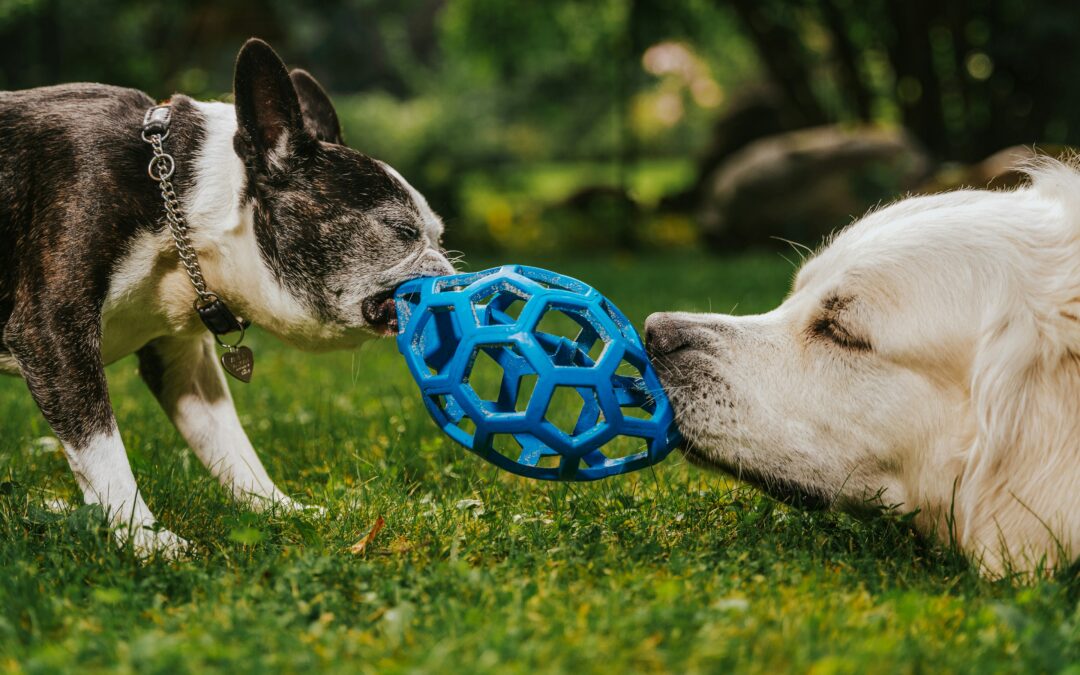
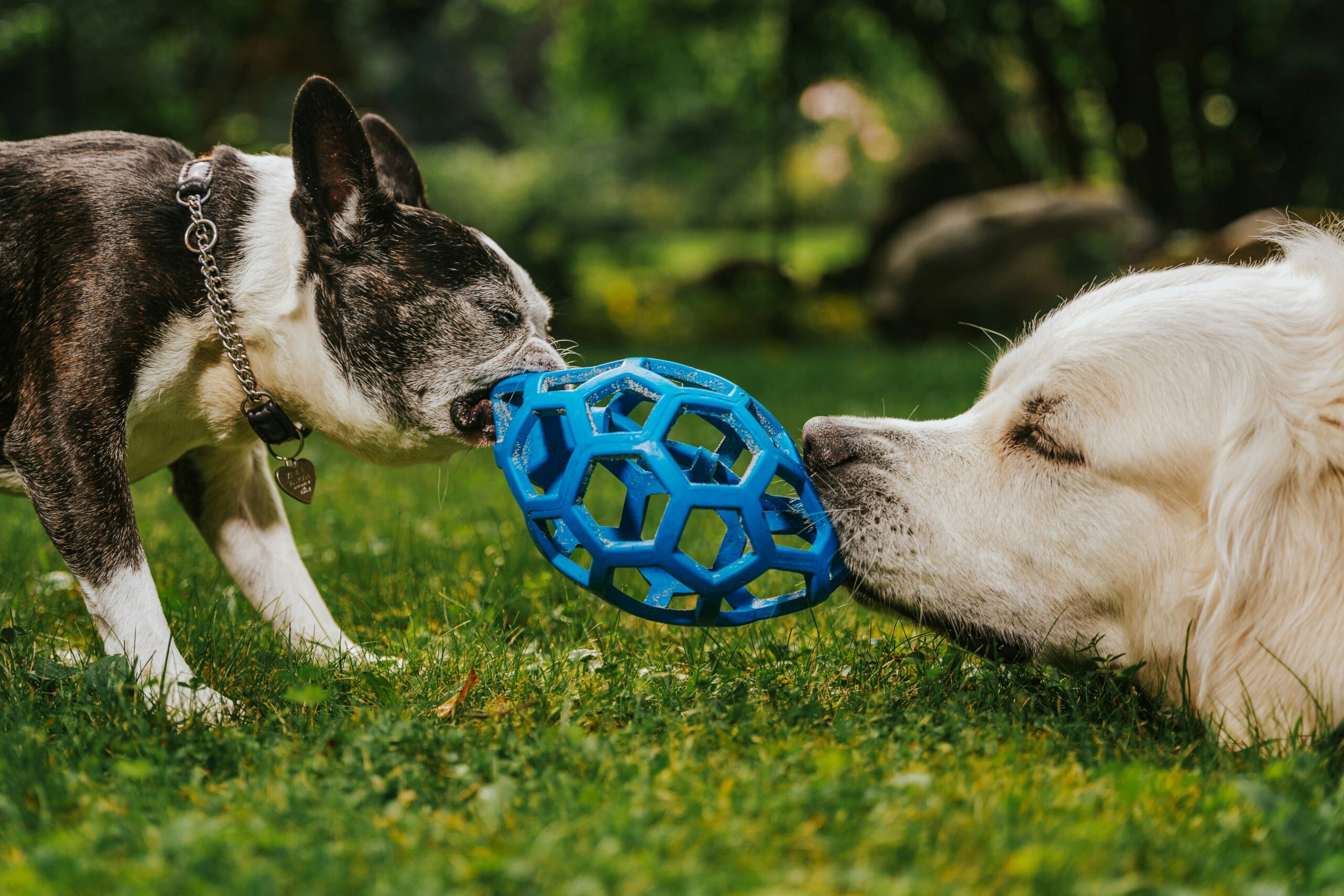
7. Controlled Tug
Begin a short tug game.
Ask for a previously taught “drop.”
When your dog releases the toy, reward by restarting play.
This teaches your dog that cooperation can lead to more fun.
8. Find-It Search
Ask your dog to wait briefly while you place treats in an easy-to-search area.
Release them to sniff and find the food.
Gradually increase the waiting period as they improve.
9. Place Before Visitors
Teach your dog to go to a mat or bed.
Reward remaining there for a short period.
Practice without visitors first.
Later, introduce mild doorway activity and gradually build toward real greetings.
10. Stop-and-Go Walking
Practice in a quiet hallway or low-traffic outdoor area.
Walk a few steps and reward your dog for remaining near you.
If your dog pulls, pause and help them return to a manageable position.
Resume when the leash is loose.
Which Game Should You Start With?
For dogs who jump on visitors, begin with Four Paws on the Floor and Place Before Visitors.
For dogs who rush doors, start with the Elevator Wait.
For food-related excitement, Hand Zen and Slow Treat are useful foundations.
For leash pulling, combine Stop-and-Go Walking with attention exercises.
Choose one or two games rather than introducing everything at once.
Practicing in Stamford Apartments
Apartment life provides plenty of training opportunities.
Use short sessions before ordinary activities.
Practice waiting before entering the hallway, calm attention before elevator rides, and settling while household members move around.
Keep training comfortable and avoid forcing interactions with unfamiliar dogs in confined spaces.
Taking the Games Outdoors
Once your dog succeeds indoors, introduce mild distractions.
A quiet residential sidewalk is a good starting point.
Later, you might practice near Mill River Park during a less crowded period.
Maintain enough distance that your dog can still respond.
The goal is successful learning, not testing how much excitement your dog can tolerate.
Why Some Dogs Struggle With Waiting
Young dogs may have limited attention spans.
Other dogs become frustrated when a favorite activity is delayed.
If your dog begins barking, grabbing, or repeatedly breaking position, reduce the waiting time.
Reward smaller successes.
Longer pauses aren’t automatically better.
Building a Consistent Household Routine
Everyone should use the same release cue and basic expectations.
For example, if one family member asks the dog to wait before exiting but another allows rushing, progress may be slower.
Consistency helps dogs understand which behaviors earn rewards.
Safety Considerations
Never use impulse control games to test whether a dog will tolerate someone taking food or toys.
Resource guarding requires a different, safety-focused approach.
Dogs with significant fear, aggression, or severe reactivity may also need individualized behavior support.
When to Seek Professional Dog Training
If jumping, leash pulling, or poor attention continues despite practice, a professional trainer can help identify the next steps.
Training can also help owners apply skills consistently in everyday settings.
Final Thoughts
Impulse control isn’t about making your dog sit still all day.
It’s about teaching useful choices that make walks, greetings, and household routines easier.
For obedience and puppy training in Stamford, contact Off Leash K9 Training.
Phone: 203-658-7482
Email: [email protected]
Frequently Asked Questions
Can impulse control games reduce jumping?
They can help teach alternative greeting behaviors, particularly when everyone reinforces the same expectations.
Are these games appropriate for apartment dogs?
Yes. Many require very little space.
How do I teach my dog to wait at an elevator?
Start with a quiet interior doorway and gradually introduce the more challenging elevator environment.
Why does my dog wait for food but still pull on leash?
Dogs need to practice self-control in different contexts. Skills don’t automatically transfer.
How long should a training game last?
Start with a few minutes and adjust based on your dog’s attention and comfort.