
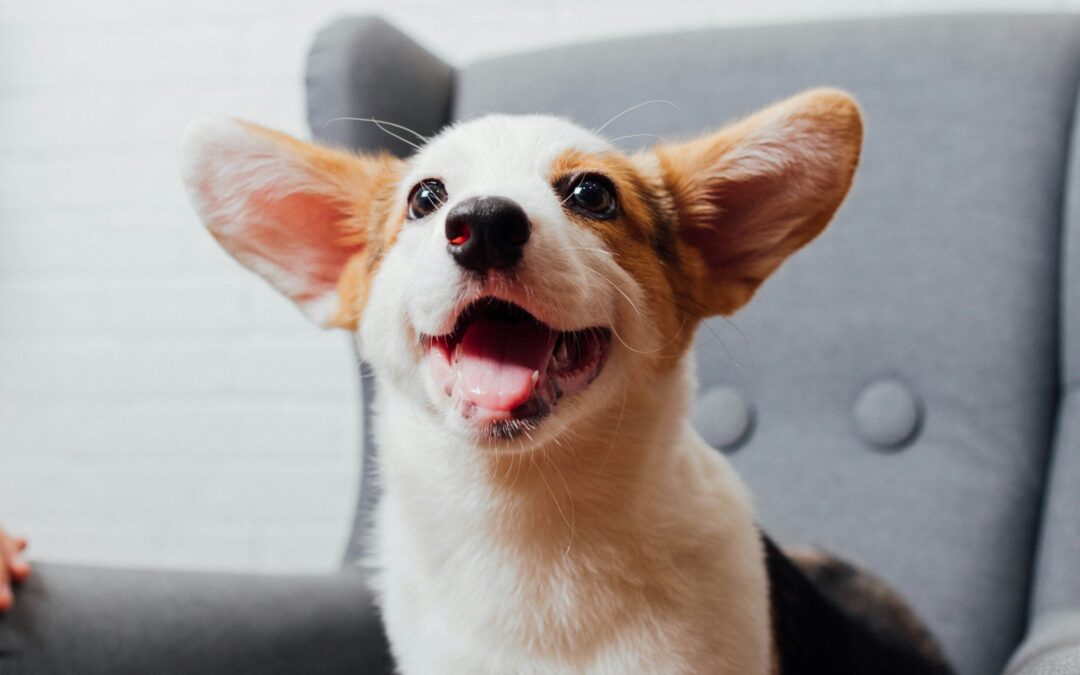
Early Puppy Training Prevents Common Behavior Problems
If you’ve ever met a well-mannered adult dog, you may have wondered if they were simply born that way.
The truth is, most well-behaved dogs didn’t become that way by accident. They became great companions because someone invested time in teaching them the right behaviors early.
One of the greatest advantages of starting puppy training as soon as your new companion comes home is that it helps prevent unwanted habits before they become difficult to change.
Puppies are constantly learning. Every interaction, routine, and experience teaches them something about how the world works.
If we wait until problem behaviors appear before beginning training, those behaviors may already be well-established.
Instead of asking, “How do I stop my dog from doing this?” early training asks a much better question:
“How can I teach my puppy what I want from the very beginning?”
That mindset can make all the difference.
 Puppies Are Always Learning
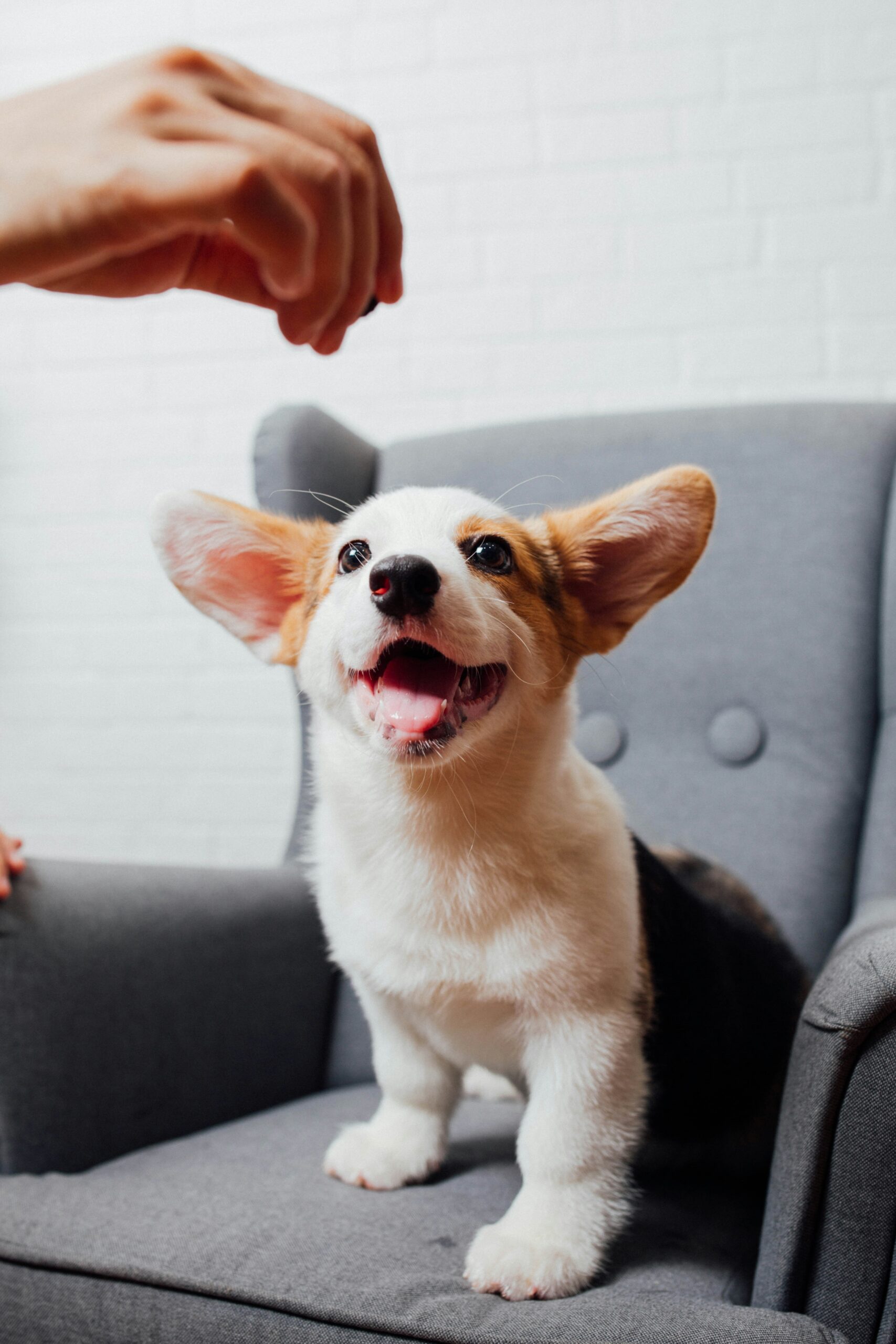
Many people believe training begins when formal obedience lessons start.
In reality, your puppy begins learning the moment they enter your home.
They quickly discover:
- What gets your attention
- Which behaviors earn rewards
- How to communicate with you
- What happens during daily routines
- What they’re allowed to do
Whether you intentionally teach them or not, your puppy is constantly forming habits.
Those habits become stronger every time they’re repeated.
Good Habits Are Easier to Build Than Bad Habits Are to Break
One of the biggest reasons trainers encourage early puppy training is simple:
It’s much easier to teach the correct behavior than it is to undo months of practicing an unwanted one.
Think about learning any new skill.
If you practice it correctly from the beginning, improvement comes naturally.
But if you practice it incorrectly for months, changing those habits takes much more time and effort.
Dogs learn the same way.
The more often a behavior works for them, the more likely they are to repeat it.
Preventing Jumping Before It Starts
Jumping is one of the most common complaints new dog owners have.
It usually begins innocently.
Your tiny puppy jumps up to greet you.
Everyone laughs.
Friends bend down to pet them.
The puppy receives exactly what they wanted—attention.
From the puppy’s perspective:
“Jumping works.”
Fast forward several months.
That adorable ten-pound puppy has become a sixty-pound adolescent who greets guests by launching into them.
The behavior hasn’t changed.
Only the dog’s size has.
Teaching calm greetings early helps puppies learn that keeping all four paws on the ground earns attention much more consistently than jumping.
 Preventing Leash Pulling
Many owners don’t worry about leash manners while their puppy is small.
After all, a fifteen-pound puppy pulling isn’t very difficult to manage.
Unfortunately, puppies grow quickly.
Allowing months of pulling teaches your puppy that tension on the leash is perfectly normal.
Instead, reward:
- Walking beside you
- Checking in
- Loose leash moments
These small habits grow into enjoyable walks later.
Reducing Destructive Chewing
Chewing is completely normal.
Puppies explore the world with their mouths, especially while teething.
The goal isn’t to stop chewing.
The goal is teaching what is appropriate to chew.
Provide:
- Safe chew toys
- Appropriate enrichment
- Regular supervision
- Plenty of opportunities for redirection
When your puppy chooses an appropriate toy, praise them.
Consistency teaches puppies which items belong to them and which belong to you.
Preventing Attention-Seeking Barking
Dogs quickly learn what gets a response.
If barking consistently earns:
- Eye contact
- Talking
- Play
- Food
- Attention
the barking often increases.
Instead of rewarding demand barking, look for moments of quiet behavior.
Calmness deserves attention too.
By reinforcing quiet moments early, puppies learn that patience is often more rewarding than noise.
Teaching Appropriate Play
Puppies naturally mouth, nip, and wrestle.
Those behaviors are normal parts of development.
However, puppies also need guidance.
Teach them:
- Bite inhibition
- Appropriate toy play
- How to calm down
- When play starts and stops
These lessons help prevent rough play from becoming problematic as your puppy grows.
Building Emotional Control
One of the biggest goals of early training isn’t obedience.
It’s emotional regulation.
Life is exciting.
Puppies experience:
- Visitors
- Walks
- New dogs
- New smells
- Toys
- Food
Teaching puppies how to remain calm during exciting situations is one of the greatest gifts you can give them.
Skills like:
- Waiting
- Settling
- Focus
- Patience
help puppies learn that excitement doesn’t always require an explosive response.
Confidence Prevents Many Behavior Problems
Fear is the root of many adult behavior challenges.
Dogs who lack confidence may become:
- Reactive
- Nervous
- Anxious
- Avoidant
Early training introduces puppies to new experiences in positive ways.
Each successful experience teaches:
“I can handle this.”
That confidence carries into adulthood.
Consistency Creates Clarity
Dogs thrive when expectations remain consistent.
Imagine if one family member allowed your puppy on the couch while another corrected them for the same behavior.
Your puppy would likely become confused.
Consistency helps puppies understand:
- Household rules
- Daily routines
- Acceptable behavior
- Boundaries
The clearer your expectations, the easier it is for your puppy to succeed.
Small Lessons Add Up
Many owners worry that training requires hours each day.
Fortunately, it doesn’t.
Puppies learn best through small moments.
Examples include:
- Waiting before going outside
- Sitting before meals
- Walking politely to the mailbox
- Relaxing on a bed while you watch television
- Looking at you before crossing the street
These everyday interactions become valuable training opportunities.
Over weeks and months, they create lifelong habits.
Training Strengthens Your Relationship
Training isn’t simply about teaching obedience.
It’s about building communication.
Your puppy learns:
- To trust you
- To look to you for guidance
- That learning is enjoyable
- That working together is rewarding
Meanwhile, you learn:
- Your puppy’s personality
- Their motivation
- Their communication style
- Their strengths
That relationship becomes the foundation for everything you’ll accomplish together.
It’s Never Too Early to Teach Good Manners
Many owners ask:
“Is my puppy too young to start training?”
In most cases, the answer is no.
As long as expectations are age-appropriate and training remains fun, puppies can begin learning valuable life skills from the day they come home.
You aren’t expecting perfection.
You’re simply helping your puppy develop habits that will benefit them for years to come.
Final Thoughts
One of the best ways to solve behavior problems is to prevent them from developing in the first place.
Early puppy training gives your dog the opportunity to practice the behaviors you want instead of rehearsing the ones you don’t.
By focusing on:
- Good manners
- Confidence
- Structure
- Communication
- Positive reinforcement
you’re laying the groundwork for a lifetime of success.
Every calm greeting, every loose-leash step, every successful recall, and every quiet moment is another investment in your puppy’s future.
And those small investments often grow into the well-mannered adult dog every owner hopes to have.