
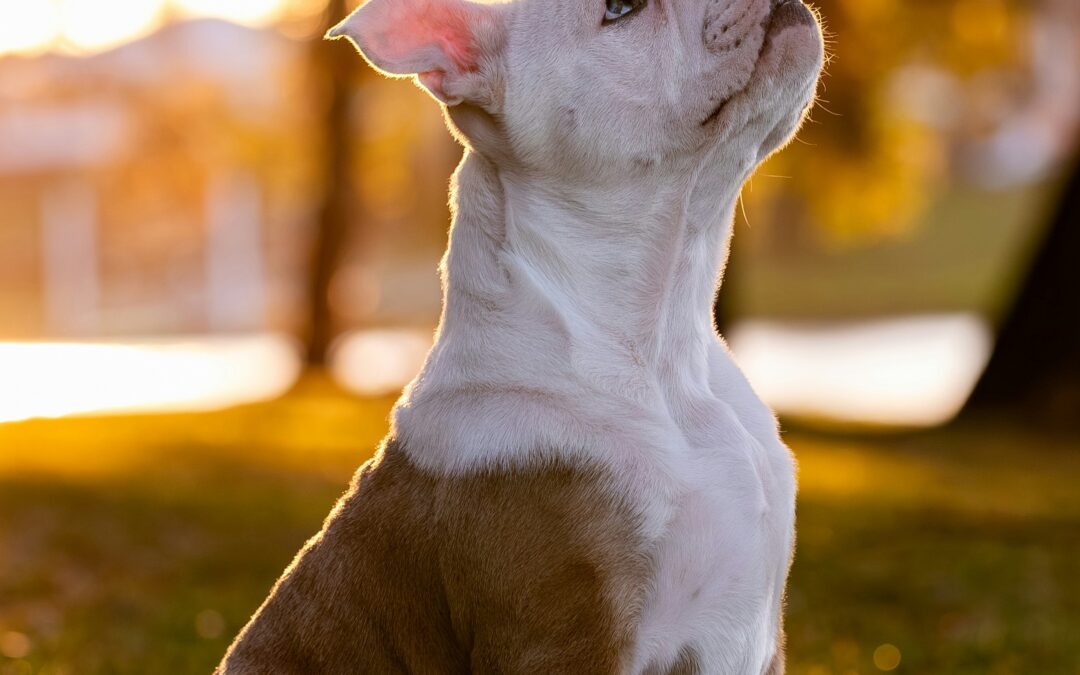
Dog Ear Positions Explained for Stamford, CT Dog Owners
 What Your Dog’s Ears Are Telling You
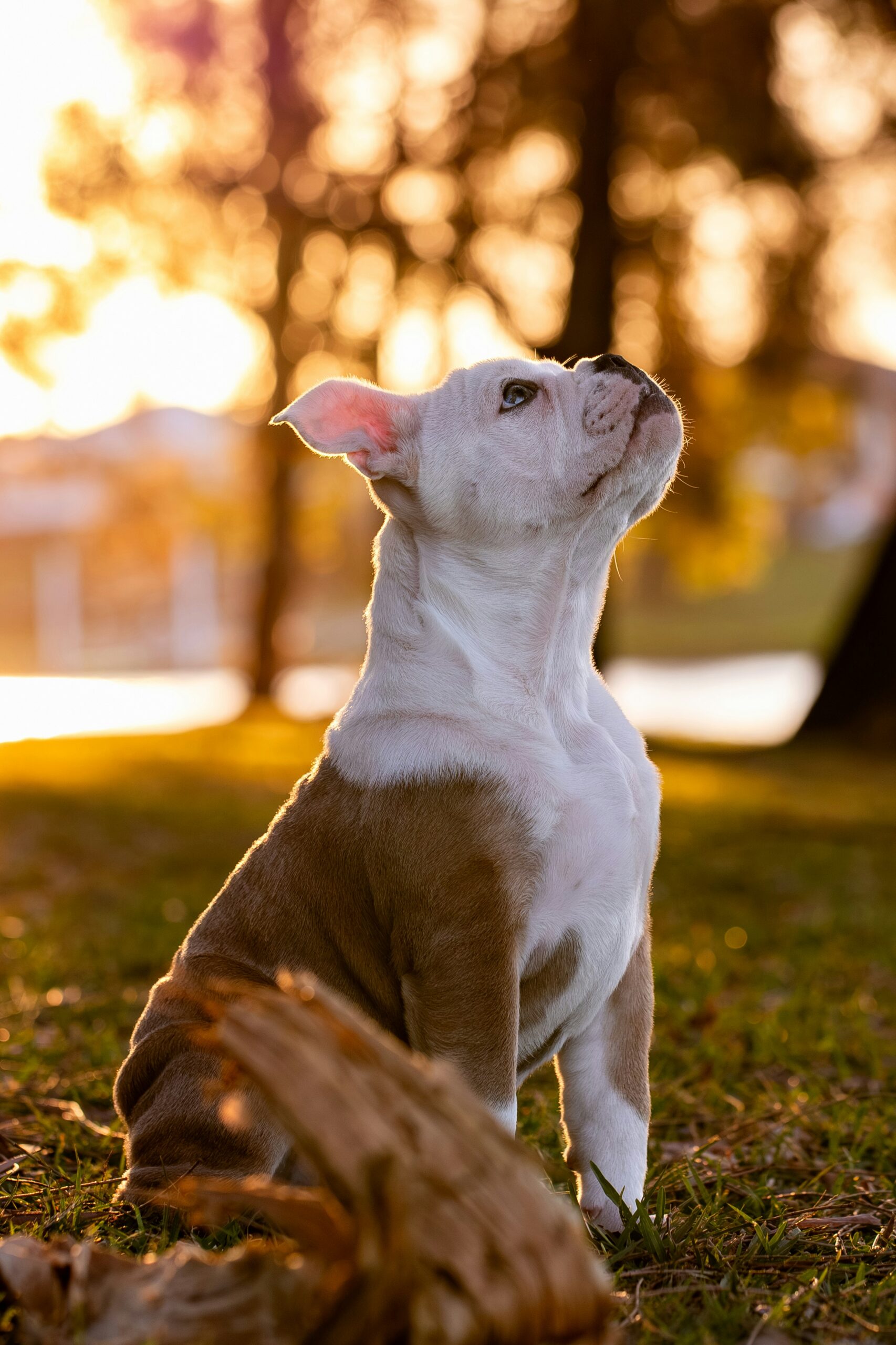
Dogs communicate constantly, even when they’re completely silent.
A quick movement of the ears can reveal that your dog has noticed a sound, become interested in another animal, or started feeling uncertain about an interaction.
For Stamford dog owners, recognizing these changes can be especially useful in busy environments.
Apartment hallways, downtown sidewalks, parks, and shared outdoor spaces can introduce unfamiliar people, sounds, and animals.
Understanding dog ear body language helps owners recognize when their dogs are comfortable, distracted, or potentially overwhelmed.
However, no single ear position tells the complete story.
Key Takeaways
- Ear movements help dogs locate sounds and respond to their surroundings.
- Forward ears frequently indicate attention or alertness.
- Neutral ears generally reflect a dog’s normal relaxed position.
- Pinned-back ears may appear during fear, uncertainty, or friendly greetings.
- Floppy-eared breeds require closer observation of ear-base movement.
- Ear position should always be interpreted with the dog’s complete body language.
How Dogs Use Their Ears to Communicate
The Role of Ear Movement
Dogs can rotate and reposition their ears to identify sounds and monitor activity.
These movements also change during emotional experiences.
For example, a dog may raise its ears when hearing footsteps outside an apartment door.
Another dog may pull its ears backward when an unfamiliar person approaches.
These changes provide clues, but they don’t establish the dog’s exact emotional state.
Why Understanding Ear Positions Matters
Recognizing early changes in attention can help owners manage everyday situations.
A dog whose ears suddenly become fixed on another dog may be highly focused on that interaction.
If the dog also becomes stiff or stops responding, creating distance may be appropriate.
This awareness can be especially useful during leash training and socialization.
Five Common Dog Ear Positions
Forward Ears: Attention and Interest
Forward-facing ears often indicate that a dog has noticed something important.
This may include a sound, person, animal, or moving object.
A relaxed dog with forward ears may simply be curious.
However, a dog with forward ears, rigid posture, and a fixed stare may be experiencing heightened tension.
Always examine the full body.
Neutral Ears: Comfort and Relaxation
Neutral ears rest in their normal position without obvious tension.
For upright-eared breeds, this may still look alert.
For floppy-eared breeds, the ears may hang naturally alongside the head.
Relaxed eyes, comfortable posture, and loose movement provide additional clues.
Ears Back: Several Possible Meanings
Dogs may pull their ears backward during friendly greetings, uncertainty, or fear.
A dog enthusiastically greeting its owner may display ears back with a loose, wiggling body.
A frightened dog may display ears tightly flattened alongside a tucked tail and attempts to retreat.
These situations require different responses.
Sideways Ears: Processing the Environment
Ears held outward may appear when a dog is uncertain or attending to several things.
Sometimes called airplane ears, this position can occur during social interactions.
The meaning depends on accompanying behavior.
Swiveling Ears: Listening and Locating Sounds
Dogs often move their ears independently.
A dog may direct one ear toward traffic while monitoring another sound behind them.
This movement frequently reflects active listening rather than a specific emotion.
Reading Ear Positions Alongside Other Signals
Tail Movement
Tail position and movement can help clarify ear signals.
A loose tail wag with relaxed posture often accompanies friendly excitement.
A stiff, elevated tail combined with intense staring may indicate tension.
A tucked tail with lowered posture may suggest fear.
Eyes and Mouth
Soft eyes and relaxed facial muscles generally accompany comfortable behavior.
Wide eyes, a fixed stare, or a tightly closed mouth may indicate discomfort or heightened arousal.
Body Posture
A dog moving freely and comfortably is communicating differently from a dog standing rigidly.
Sudden freezing or stiffness deserves attention, especially during close interactions.
Why Breed Differences Matter
Dog breeds have different ear shapes.
German Shepherds and other upright-eared breeds display visible changes in ear direction.
Beagles, Golden Retrievers, and similar floppy-eared dogs may show smaller movements at the ear base.
Owners should learn what their individual dog’s ears look like during relaxed activities.
That baseline helps identify unusual changes.
Using Ear Body Language During Stamford Dog Training
Training Around Urban Distractions
Imagine practicing loose-leash walking near Mill River Park.
Your dog suddenly raises its ears toward a cyclist passing nearby.
If your dog remains relaxed, this may be an ordinary moment of curiosity.
If your dog becomes rigid, pulls toward the cyclist, or stops responding, the situation may require additional distance.
Practicing Attention
Start obedience exercises in quiet environments.
Gradually introduce distractions while monitoring changes in ear position and overall behavior.
Reward appropriate responses and adjust the difficulty when necessary.
Managing Uncomfortable Interactions
If your dog pulls its ears backward, lowers its body, and attempts to retreat from an unfamiliar dog, avoid forcing a greeting.
Providing additional space may help prevent escalation.
Common Mistakes Owners Make
Treating One Ear Position as a Diagnosis
Ears back do not always mean fear, and forward ears do not always mean aggression.
Interpret several signals together.
Assuming Tail Wagging Means Friendliness
Dogs may wag their tails during excitement, uncertainty, or tension.
The quality of movement and overall posture matter.
Overlooking Ear Pain
A sudden change in ear carriage, repeated head shaking, or sensitivity around the ears may indicate a medical problem.
Consult a veterinarian when these symptoms appear.
Improving Communication Through Observation
Spend time watching your dog’s ears during relaxed moments at home.
Notice what changes when a visitor arrives, a noise occurs, or another dog approaches.
Compare ear movement with body posture, tail position, and facial expression.
Over time, recognizing these patterns can help you respond more effectively during training.
Professional Dog Training in Stamford, CT
Off Leash K9 Training Stamford helps owners develop obedience skills and improve everyday communication with their dogs.
Whether you’re working on leash manners, distractions, or challenging behaviors, understanding canine body language is a valuable foundation.
Contact Off Leash K9 Training Stamford
Phone: 203-658-7482
Email: [email protected]
Frequently Asked Questions
Why do my dog’s ears move when I talk?
Dogs often reposition their ears to locate and attend to sounds, including their owner’s voice.
What do ears pinned back mean?
They may indicate fear, uncertainty, or friendly excitement. Other body language signals help distinguish these possibilities.
Do floppy-eared dogs show emotion through their ears?
Yes. Watch for subtle movement at the base of the ears and changes in overall posture.
Can dog ear positions indicate stress?
They can provide clues, especially when combined with avoidance, stiffness, or other potential stress signals.
Can obedience training help my dog respond better to distractions?
Yes. Gradual, structured training can improve attention and reliability in different environments.