
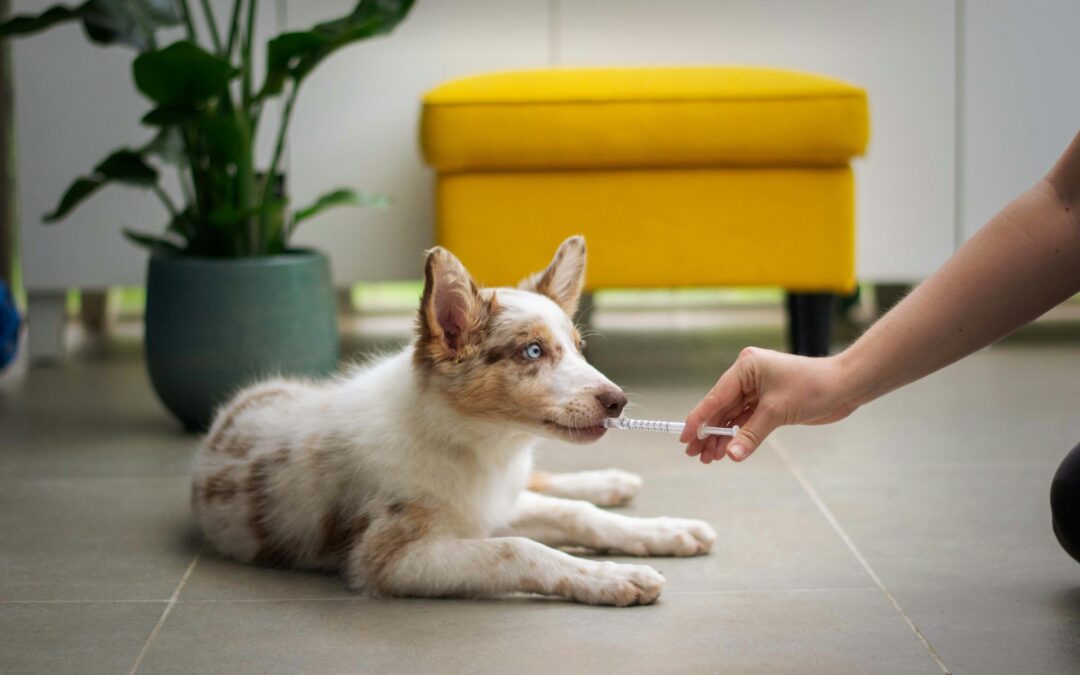
Grooming Without the Struggle: Stamford Dog Tips

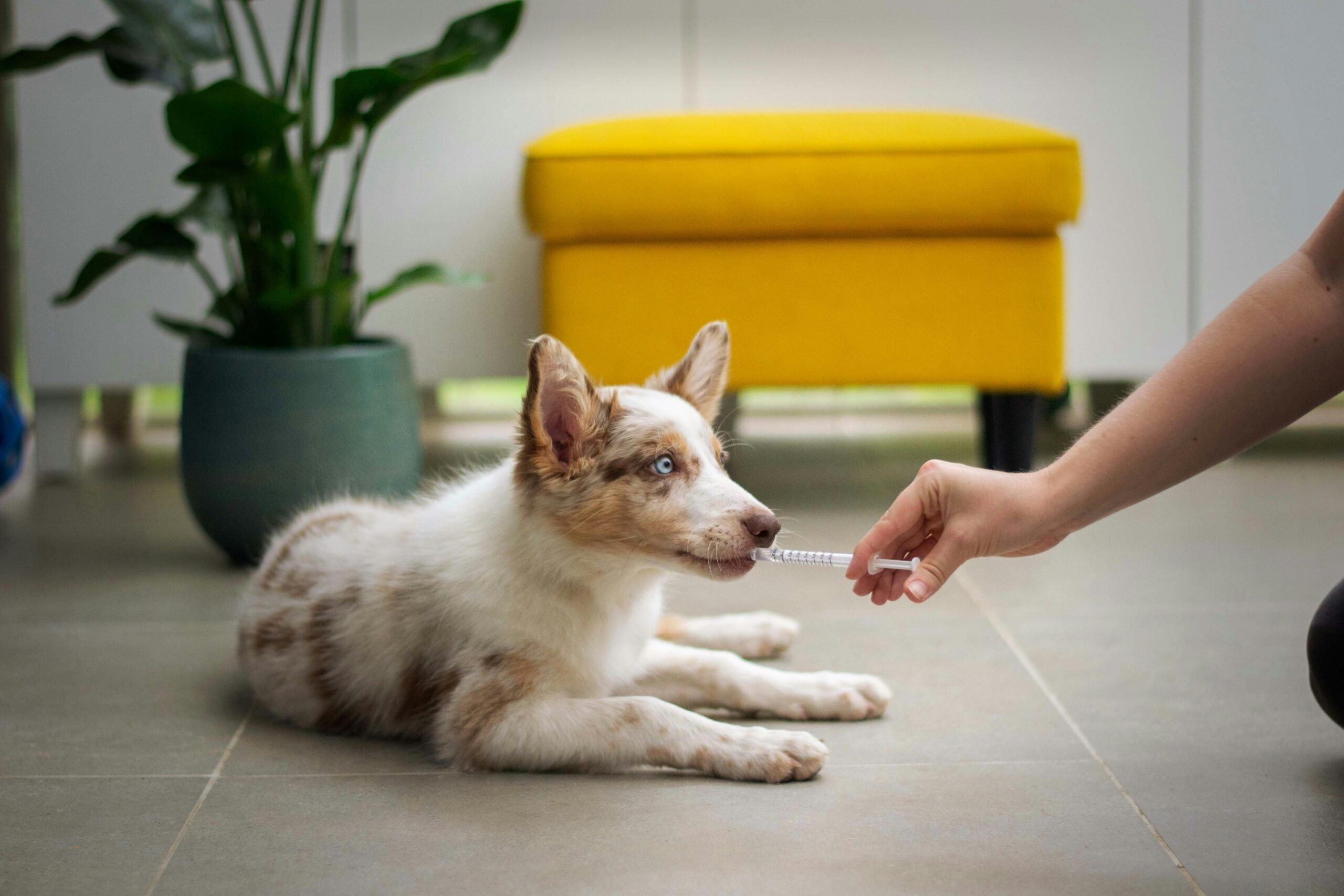
Why Does Your Dog Hate Being Groomed?
You reach for the brush, and your dog disappears into another room.
You pick up the nail clippers, and suddenly they’re hiding under the table.
Even a simple paw wipe after a rainy walk becomes a wrestling match.
For many Stamford dog owners, grooming is one of the most frustrating parts of pet care.
But dogs don’t automatically understand why we need to brush their coats, examine their ears, or trim their nails. These activities can feel unfamiliar, uncomfortable, or even frightening.
Cooperative care training offers a different approach.
Instead of forcing your dog through each grooming task, you teach them how to participate comfortably and communicate when they need a break.
What Is Cooperative Care for Dogs?
Cooperative care is a training approach that helps dogs voluntarily participate in routine handling and health-related activities.
The process relies on positive reinforcement, gradual exposure, and clear communication.
For example, a dog may learn to rest its chin on your hand while you gently brush its shoulder.
As long as the dog maintains the position comfortably, the brushing continues.
If the dog lifts its chin, you pause.
This creates a predictable routine where the dog has some control over the interaction.
Why Grooming Can Be Stressful
Different dogs have different sensitivities.
Some dislike having their paws held. Others become uncomfortable when someone approaches their face or ears.
Previous negative experiences can also influence behavior.
A dog who once experienced a painful nail trim may become nervous when the clippers appear again.
Similarly, dogs with ear infections, skin irritation, or joint pain may resist handling because it hurts.
Before beginning training, consider whether discomfort could be contributing.
Sudden resistance to grooming deserves veterinary evaluation.
Start With Comfortable Handling
Before introducing grooming tools, teach your dog that gentle touch predicts something positive.
Begin with an easy area, such as the shoulder.
Touch briefly and offer a treat.
Repeat until your dog appears comfortable.
Gradually work toward more sensitive areas.
For paw handling, progress from shoulder to leg, then paw and individual toes.
For ear handling, begin with touching the side of the head before approaching the ear.
Keep sessions short.
If your dog moves away or becomes tense, stop and return to an easier step.
Teaching a Chin Rest
A chin rest gives your dog a simple way to participate in grooming.
Step-by-Step Instructions
- Sit near your dog in a quiet room.
- Offer an open palm at a comfortable height.
- Reward your dog for investigating your hand.
- Gradually reward placing the chin on your palm.
- Build the duration by a second or two at a time.
- Introduce a gentle touch while the chin remains in place.
When your dog lifts its chin, pause.
Don’t hold the dog’s head in position.
The purpose is to encourage voluntary participation.
Making Nail Trims Less Frightening
Nail trimming is a common challenge because it involves sensitive paws and unfamiliar tools.
Begin by showing your dog the clippers from a comfortable distance.
Reward calm investigation.
Next, practice holding the clippers while your dog receives treats.
Gradually progress to touching the paw, touching an individual nail, and bringing the closed clippers near the nail.
Only begin trimming when your dog is ready and you know how to avoid cutting the quick.
One successfully trimmed nail may be enough for an early session.
For dogs with severe fear, a veterinarian or qualified groomer can help determine an appropriate approach.
Teaching Dogs to Enjoy Brushing
Brushing is another activity that benefits from gradual introduction.
Show your dog the brush and reward interest.
Next, touch the brush lightly to an easy area without making a stroke.
Gradually introduce one gentle brush stroke followed by a reward.
Increase the number of strokes only when your dog remains comfortable.
Be particularly careful with tangles and mats.
Painful mat removal should be handled by a professional rather than treated as a training exercise.
Cooperative Ear and Dental Care
Ear Checks
Begin by rewarding your dog for allowing a gentle touch near the ear.
Progress toward lifting the ear flap briefly.
Don’t insert objects into the ear canal or attempt treatment without veterinary direction.
Toothbrushing
Start by rewarding brief contact around the muzzle.
Next, gently lift the lip.
Introduce a dog-safe toothbrush and veterinary-approved toothpaste gradually.
Never use human toothpaste unless specifically directed by a veterinarian.
The goal is to make the routine familiar before expecting a complete brushing session.
Stamford Apartment Grooming Routines
Dogs living in Stamford apartments may need frequent paw cleaning after walks, especially during wet or snowy weather.
Rather than waiting until your dog is muddy, practice paw handling when they’re already clean.
Reward briefly touching each paw.
Introduce a soft towel.
Gradually practice wiping one paw at a time.
This can make everyday cleanup less stressful.
Choose a quiet location away from hallway activity and other distractions.
Desensitization and Counterconditioning
These two techniques are important foundations of cooperative care.
Desensitization means introducing a potentially stressful experience at a low enough intensity that your dog can remain comfortable.
Counterconditioning means pairing that experience with something your dog enjoys.
For example, you might show your dog a brush from several feet away while offering a favorite treat.
Over time, you can gradually move the brush closer.
If your dog becomes frightened, increase distance and reduce the difficulty.
What If Your Dog Refuses to Participate?
Refusal provides useful information.
Your dog may be tired, uncomfortable, frightened, or simply not ready for the next step.
Don’t force participation.
Return to an easier exercise or end the session.
Persistent refusal, especially when handling was previously comfortable, should prompt a veterinary conversation.
When to Seek Professional Help
Some dogs have significant grooming anxiety or a history of snapping and biting.
These cases require careful safety planning.
A veterinarian can assess pain and discuss medication or other support when necessary.
A qualified trainer or veterinary behavior professional can help develop gradual handling exercises.
Final Thoughts
Grooming doesn’t have to become a stressful struggle every time.
By teaching your dog that brushing, paw handling, and nail trims can be predictable and rewarding, you can make everyday care easier.
For dog obedience and handling guidance in Stamford, contact Off Leash K9 Training.
Phone: 203-658-7482
Email: [email protected]
Frequently Asked Questions
Can cooperative care help a dog who hates nail trims?
Yes. Gradual training may improve comfort, although some dogs need professional or veterinary assistance.
Should I restrain my dog until grooming is finished?
Avoid unnecessary force during training. Work in manageable steps and prioritize safety.
How long should grooming practice last?
Begin with brief sessions of a few minutes or less, depending on your dog’s comfort.
Can puppies learn to cooperate with brushing?
Yes. Gentle, positive introductions are useful during puppyhood.
What if my dog growls during grooming?
Stop the interaction safely. Growling may indicate fear, pain, or discomfort, and qualified guidance is appropriate.