
What to Do When Your Puppy Pulls
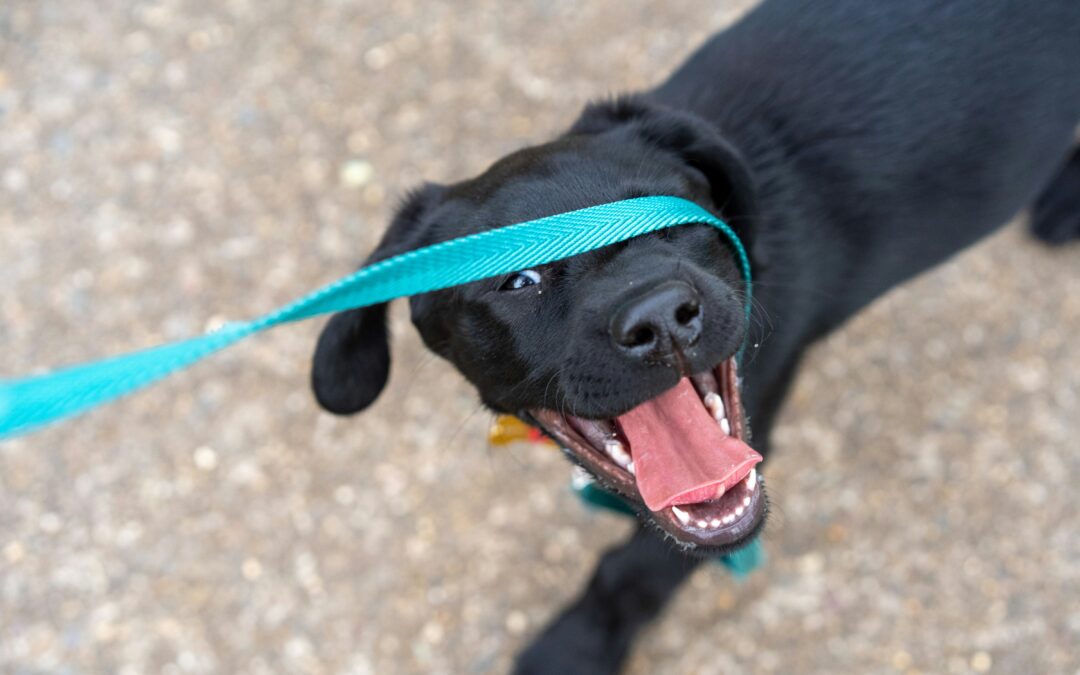
Even with great foundations, your puppy will pull at some point.
A squirrel darts across the sidewalk.
A leaf blows by.
A neighbor appears.
The smell of something fascinating hits their nose.
And suddenly — tension on the leash.
Pulling is normal.
What matters is how you respond.
Because every response either strengthens the pulling habit… or weakens it.
 First: Stay Emotionally Neutral
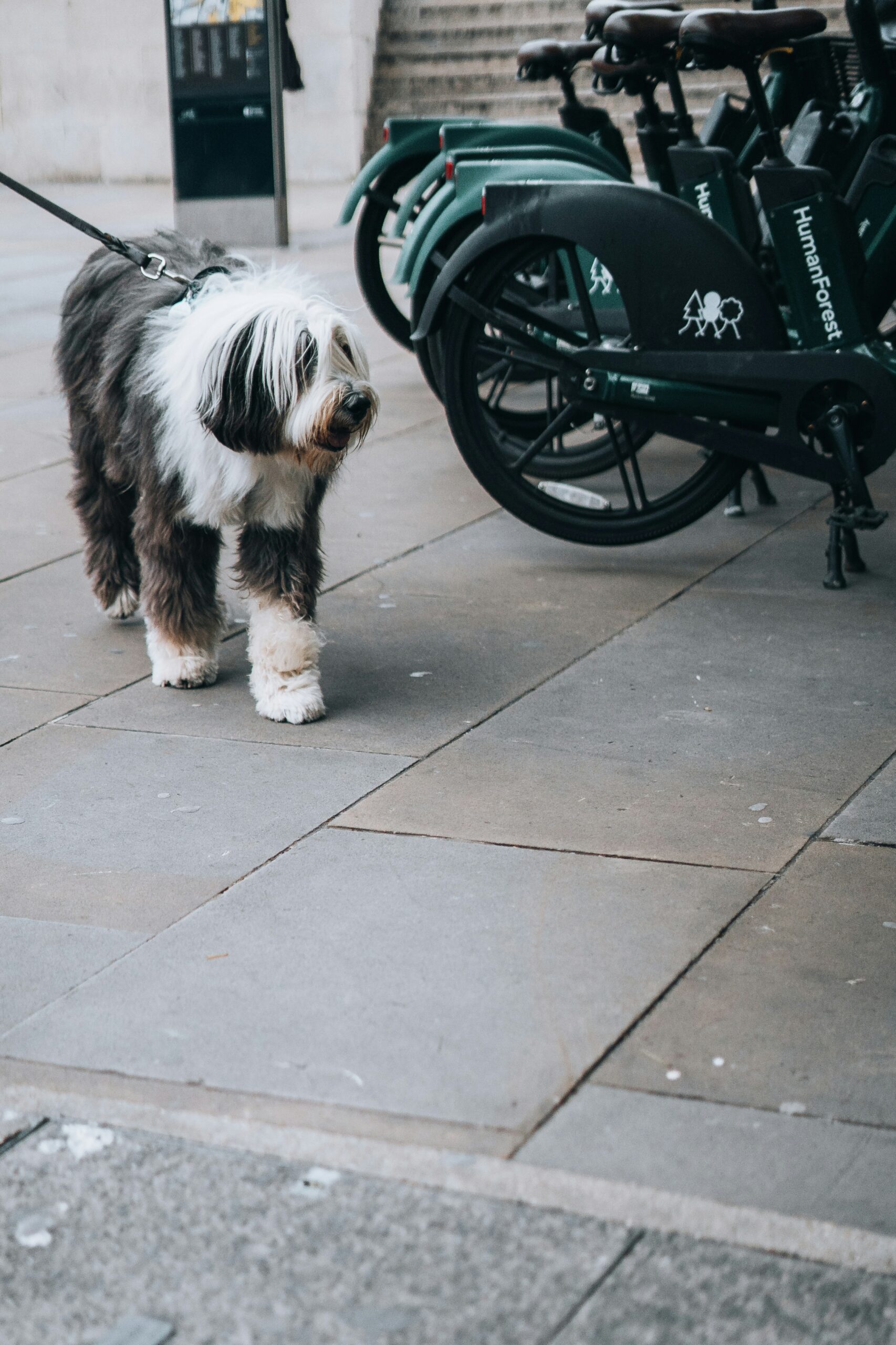
The biggest mistake owners make when a puppy pulls?
They get frustrated.
Tight body language.
Sharp tone.
Quick leash pops.
Your puppy feels that energy immediately.
Instead:
Pause.
Breathe.
Relax your shoulders.
Leash training is not a battle.
It’s communication.
Calm consistency will outperform frustration every time.
Strategy 1: The Immediate Stop
This remains your most powerful tool.
The moment the leash tightens:
Stop walking.
Do not yank.
Do not scold.
Do not repeat cues.
Just stop.
Stand still like a tree.
Most puppies will:
-
Pull harder for a second.
-
Then glance back.
-
Then shift weight toward you.
The instant the leash loosens:
Mark → move forward.
You are teaching:
Pulling pauses the walk.
Loose leash resumes it.
The walk itself becomes the reward.
Strategy 2: Change Direction
If your puppy is locked onto something ahead and ignoring your pause:
Turn and walk the opposite direction.
Cheerfully encourage them to follow.
When they catch up:
Reward generously.
This prevents your puppy from practicing intense forward pulling toward one specific target.
It also teaches:
Pay attention — direction can change anytime.
Dogs who monitor your movement pull less.
 Strategy 3: Reset the Engagement
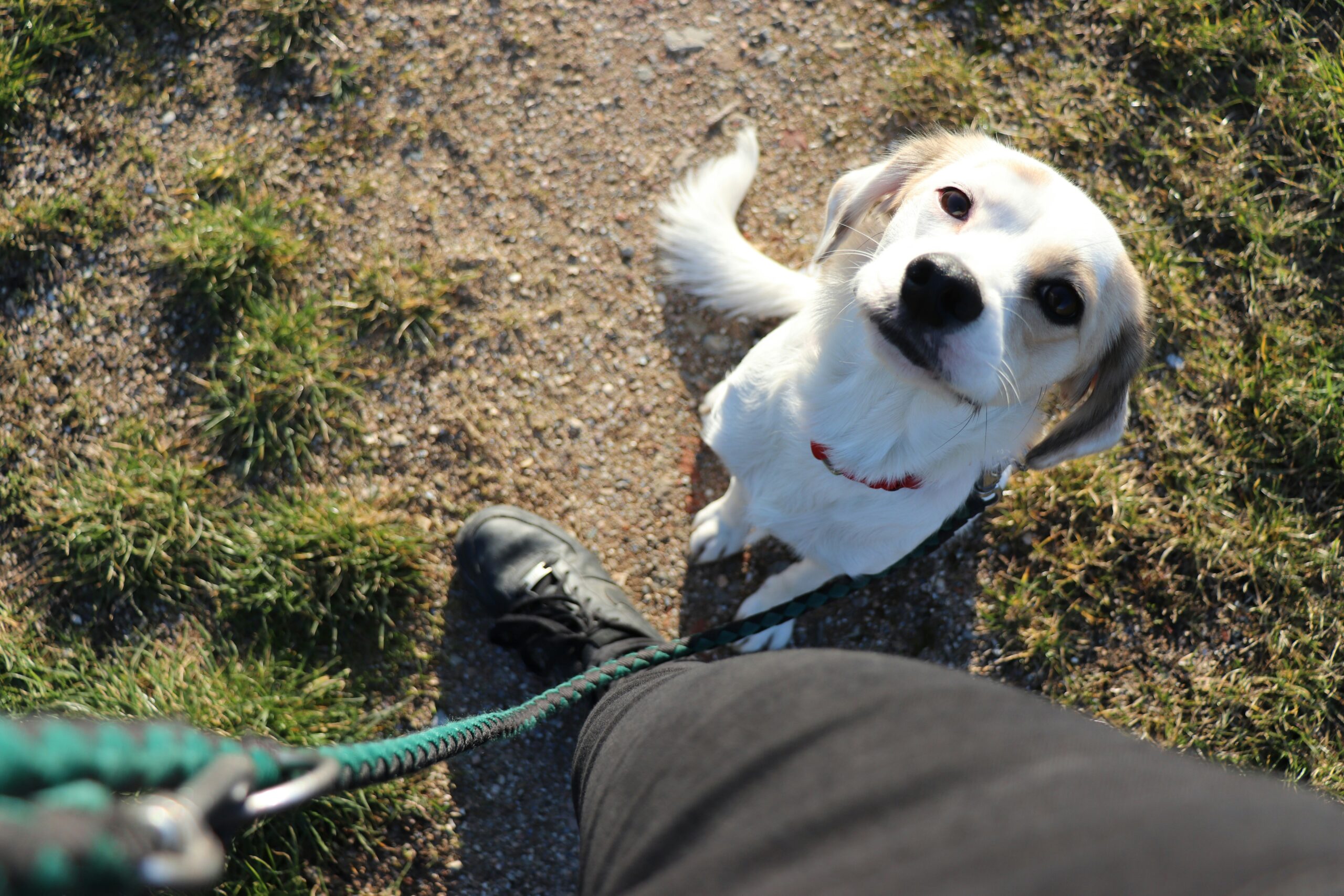
If pulling is becoming frequent, the environment may be too stimulating.
Pause the walk.
Ask for something simple your puppy knows:
-
Name recognition
-
Sit
-
Touch (hand target)
-
Eye contact
Reward.
Then resume walking.
You’re reminding them:
Connection comes first.
Sometimes pulling is just mental overload.
A quick reset can re-center them.
Strategy 4: Shorten the Walk
If your puppy is pulling more as the walk goes on, fatigue may be the cause.
Tired puppies:
-
Lose impulse control.
-
Get overstimulated.
-
Make poor decisions.
Shorter, successful walks are better than long, chaotic ones.
End on a good note whenever possible.
What NOT to Do
It’s tempting to try quick fixes.
Avoid:
❌ Yanking or leash popping
This can create fear, frustration, or defensive behavior.
❌ Using harsh equipment prematurely
Tools do not replace training.
❌ Speeding up to “keep up”
This reinforces pulling.
❌ Repeating cues over and over
If your puppy isn’t responding, the environment is likely too distracting.
Understanding Thresholds
If your puppy is pulling intensely toward something specific (dog, person, squirrel), you may be too close.
Distance matters.
Instead of fighting the pull:
Create space.
Move farther away until your puppy can think and respond again.
Training happens under threshold — not in full excitement mode.
The Timing of Reinforcement
Many owners forget to reward once pulling stops.
If your puppy comes back to your side after tension:
Mark that moment.
Even if they only soften the leash slightly — reward it.
You are shaping smaller improvements into larger habits.
Progress happens in inches before it happens in miles.
Expect Setbacks
Leash training is not linear.
Some days your puppy will:
-
Walk beautifully.
-
Check in frequently.
-
Stay close naturally.
Other days?
Everything will feel chaotic.
That doesn’t mean training failed.
Puppies develop in bursts.
Hormones fluctuate.
Confidence grows unevenly.
Consistency through setbacks builds long-term reliability.
Keep Your Expectations Age-Appropriate
A 10-week-old puppy is not capable of:
-
Long structured walks
-
Perfect heel position
-
Ignoring every distraction
-
Sustained focus for 20 minutes
At this stage, your goal is:
-
Reduced pulling frequency
-
Faster recovery from tension
-
Growing awareness of you
-
Positive walking experiences
Keep the bar realistic.
Reward Calm Exploration
Loose leash walking does not mean robotic heel position.
It’s okay for your puppy to:
-
Sniff
-
Explore
-
Wander slightly
As long as the leash stays loose.
If they stop to sniff and the leash stays relaxed — allow it.
Sniffing is enriching and mentally healthy.
Walking nicely doesn’t mean restricting natural behavior.
It means doing it cooperatively.
The Long-Term Mindset
Every time your puppy pulls and you respond calmly and consistently, you’re building understanding.
Every time you prevent forward progress under tension, you’re protecting your future walks.
And every time you reward engagement, you’re strengthening partnership.
Pulling is not disobedience.
It’s a skill gap.
And skill gaps are teachable.
The Bottom Line
When your puppy pulls:
-
Stay calm.
-
Stop immediately.
-
Move only when the leash softens.
-
Change direction if needed.
-
Reward engagement.
-
Adjust the environment if overwhelmed.
You don’t need force.
You need clarity and consistency.
Handled correctly, pulling becomes a temporary phase — not a lifelong struggle.