
The First 3 Months: When Your Rescue Dog Feels at Home
Why the First 3 Months Are So Important
According to the 3-3-3 rule for dogs, the first three months after adoption mark a major milestone. This is often when a rescue dog truly begins to feel at home. By this point, routines feel familiar, trust has formed, and your dog is more comfortable expressing their true personality.
For many adopters, this phase brings relief — but it can also bring surprises. Understanding what’s normal during the first 3 months with a rescue dog helps you respond with confidence and compassion.
What “Settling In” Really Means
When a rescue dog is settling in, it doesn’t mean everything is perfect. It means your dog finally feels safe enough to be real.
During this stage, you may notice:
-
More relaxed body language
-
Stronger attachment to family members
-
Increased confidence in familiar environments
-
Clear preferences and routines
This phase of rescue dog settling in is about emotional security — not flawless behavior.
Why Behavior May Change Again
Some adopters worry when new behaviors appear around the three-month mark. Barking, guarding, anxiety, or reactivity may surface — not because things are getting worse, but because your dog feels safe enough to communicate needs.
These rescue dog behavior changes often reflect:
-
Growing confidence
-
Stronger bonds
-
Comfort expressing discomfort
Rather than a setback, this is a sign of trust.
 Trust Is the Foundation of This Phase
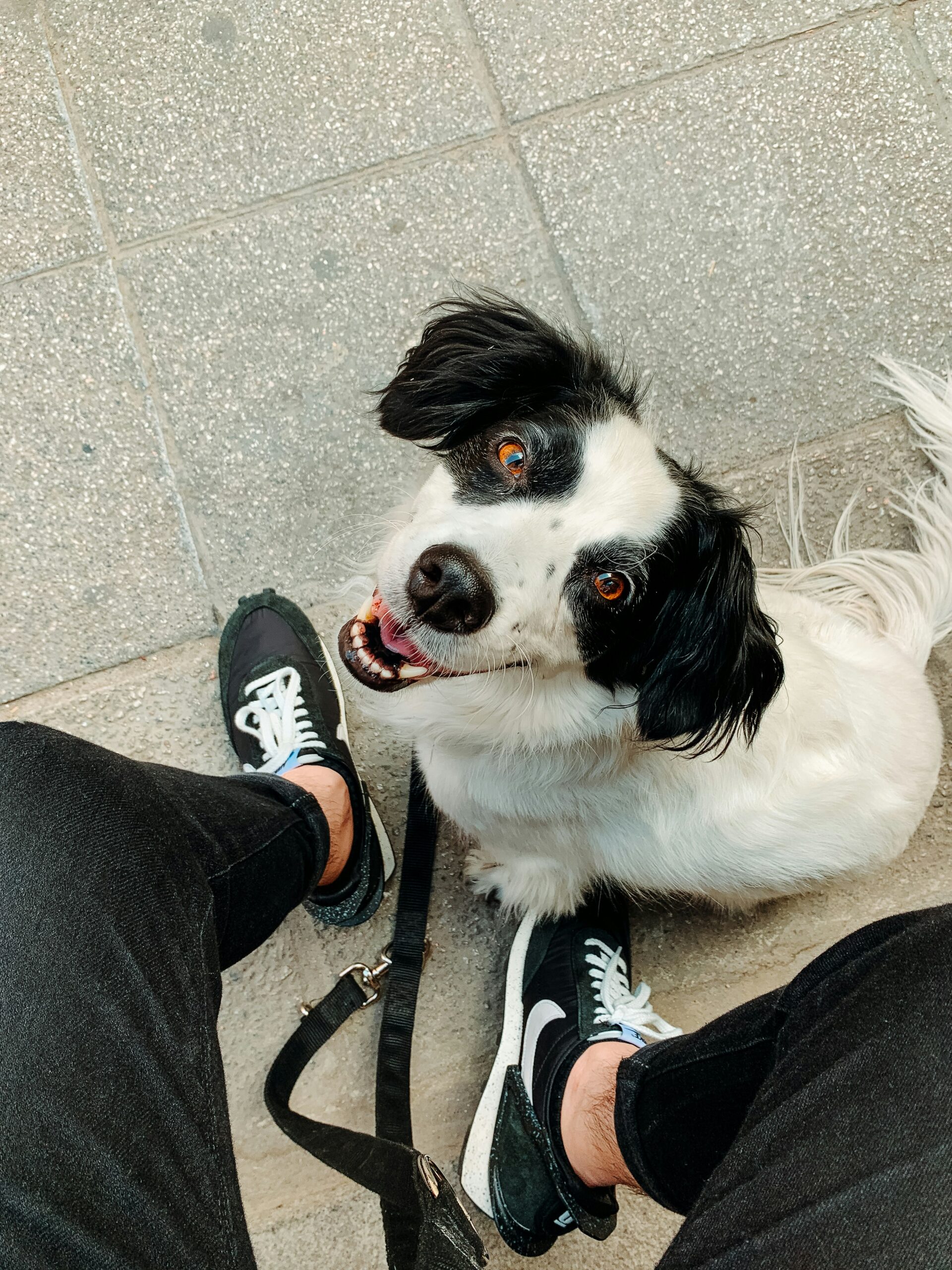
Bonding with a rescue dog deepens significantly during this time. Your dog now understands:
-
You are predictable
-
Their needs are met
-
They are not going anywhere
Trust shows up in subtle ways:
-
Choosing to rest near you
-
Checking in during walks
-
Seeking reassurance when unsure
These moments matter more than obedience milestones.
How Routine Supports Long-Term Adjustment
By three months, routine becomes a powerful stabilizer.
A consistent schedule helps:
-
Reduce anxiety
-
Improve focus
-
Encourage emotional regulation
Key routines to maintain include:
-
Feeding times
-
Walk schedules
-
Training sessions
-
Rest and enrichment balance
A steady routine reinforces safety and supports the adopted dog adjustment timeline.
Training During the First 3 Months
Training at this stage should evolve gently.
Focus on:
-
Strengthening communication
-
Building confidence
-
Reinforcing positive behaviors
Short, positive sessions work best. Avoid adding too many new expectations at once — trust and consistency matter more than speed.
 Socialization With Awareness
As confidence grows, your dog may be ready for expanded social experiences — but this should still be intentional.
Healthy socialization includes:
-
Controlled environments
-
Positive interactions
-
Respecting boundaries
Your dog doesn’t need to meet everyone. They need experiences that reinforce safety and success.
Emotional Regulation Takes Time
Even at three months, your dog is still learning how to manage emotions.
Stressors like:
-
Loud noises
-
New environments
-
Schedule changes
can still trigger reactions. Responding with patience helps your dog continue developing coping skills.
Common Challenges at the 3-Month Mark
Some adopters feel discouraged if challenges arise here. Common issues include:
-
Separation anxiety
-
Resource guarding
-
Leash reactivity
-
Fear responses
These behaviors don’t mean adoption was a mistake — they mean your dog trusts you enough to show vulnerability.
How Humans Can Support This Stage
Support during this phase looks like:
-
Staying calm during setbacks
-
Maintaining consistency
-
Seeking professional guidance when needed
-
Celebrating progress — even small wins
Progress isn’t linear, and that’s okay.
Signs Your Rescue Dog Feels at Home
Positive signs your dog is truly settling in include:
-
Relaxed sleep patterns
-
Playfulness
-
Willingness to explore
-
Comfort being alone briefly
These signs reflect emotional security — the goal of the 3-3-3 rule dogs framework.
Final Thoughts: Home Is a Feeling, Not a Timeline
The first three months are a powerful turning point, but adjustment doesn’t end here. Trust continues to deepen long after this stage.
When you meet your dog with patience, structure, and empathy, you create a home where healing and growth can continue.
Your rescue dog didn’t just find a house — they found safety, belonging, and a future.