
Play, Enrichment & Shared Joy
Play is one of the most powerful tools for building strong relationships with dogs. Beyond physical exercise, play creates emotional connection, strengthens trust, and builds mutual understanding. Through play, dogs learn that being with you is fun, rewarding, and safe.
Play turns everyday moments into shared joy.
 Play Builds Emotional Connection
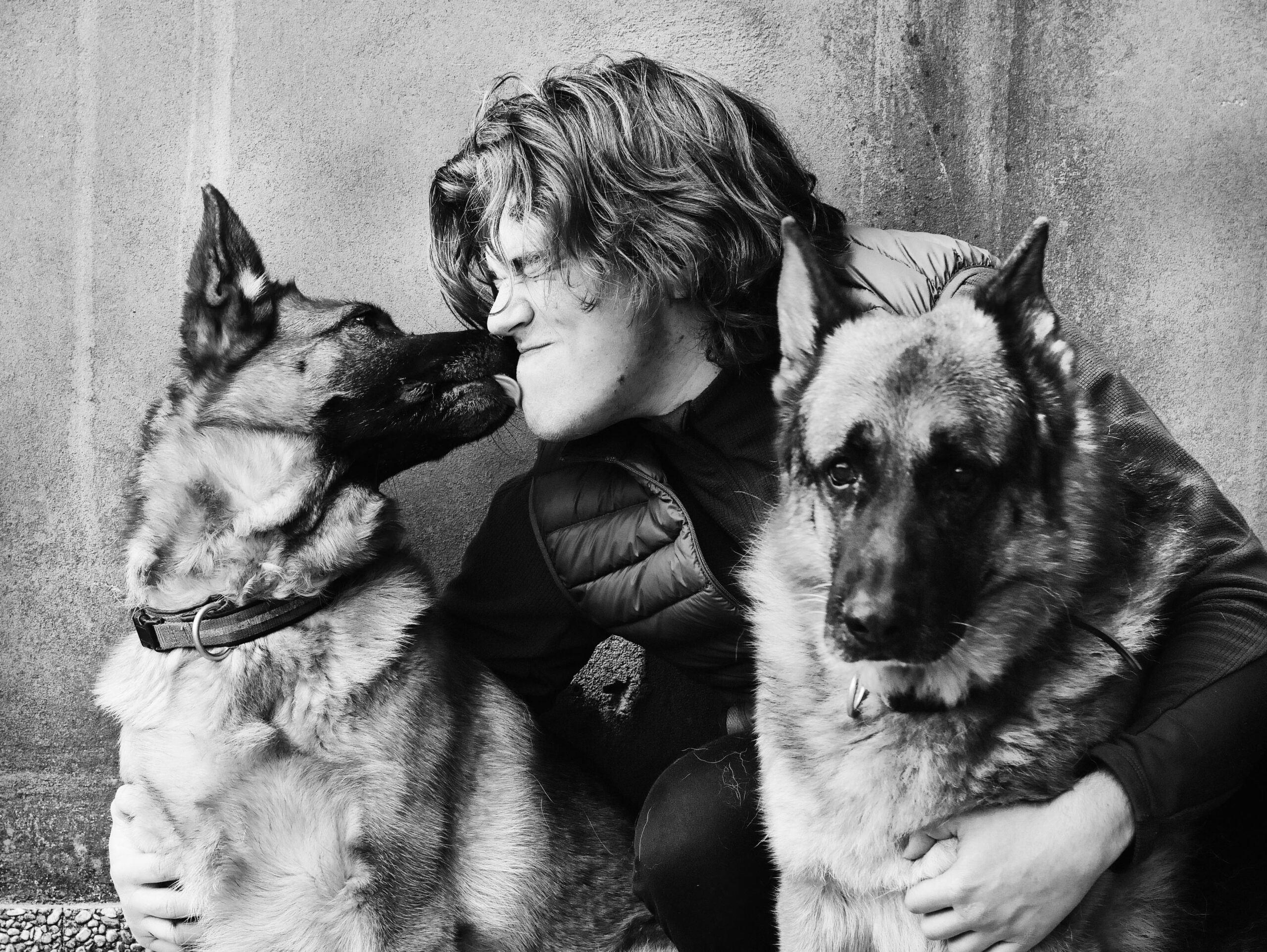
When you play with your dog, you engage in a shared activity that requires communication, cooperation, and attention. These moments create positive associations and deepen your bond.
Play helps:
-
Build trust
-
Increase confidence
-
Reduce stress
-
Strengthen communication
Dogs who play regularly with their humans often feel more connected and secure.
Understanding Your Dog’s Play Style
Not all dogs enjoy the same types of play. Some love chasing balls, while others prefer tug, puzzle toys, or interactive games.
Common play styles include:
-
Chase and retrieve
-
Tug games
-
Problem-solving games
-
Gentle wrestling
-
Scent-based games
Observing what your dog enjoys allows you to tailor play to their preferences.
Using Play as Communication
Play is a form of communication. Dogs use body language, movement, and pauses to express excitement or discomfort.
Healthy play includes:
-
Loose, relaxed movements
-
Play bows
-
Frequent breaks
-
Mutual engagement
If play becomes too intense, it’s important to pause and reset.
 Enrichment Strengthens the Bond
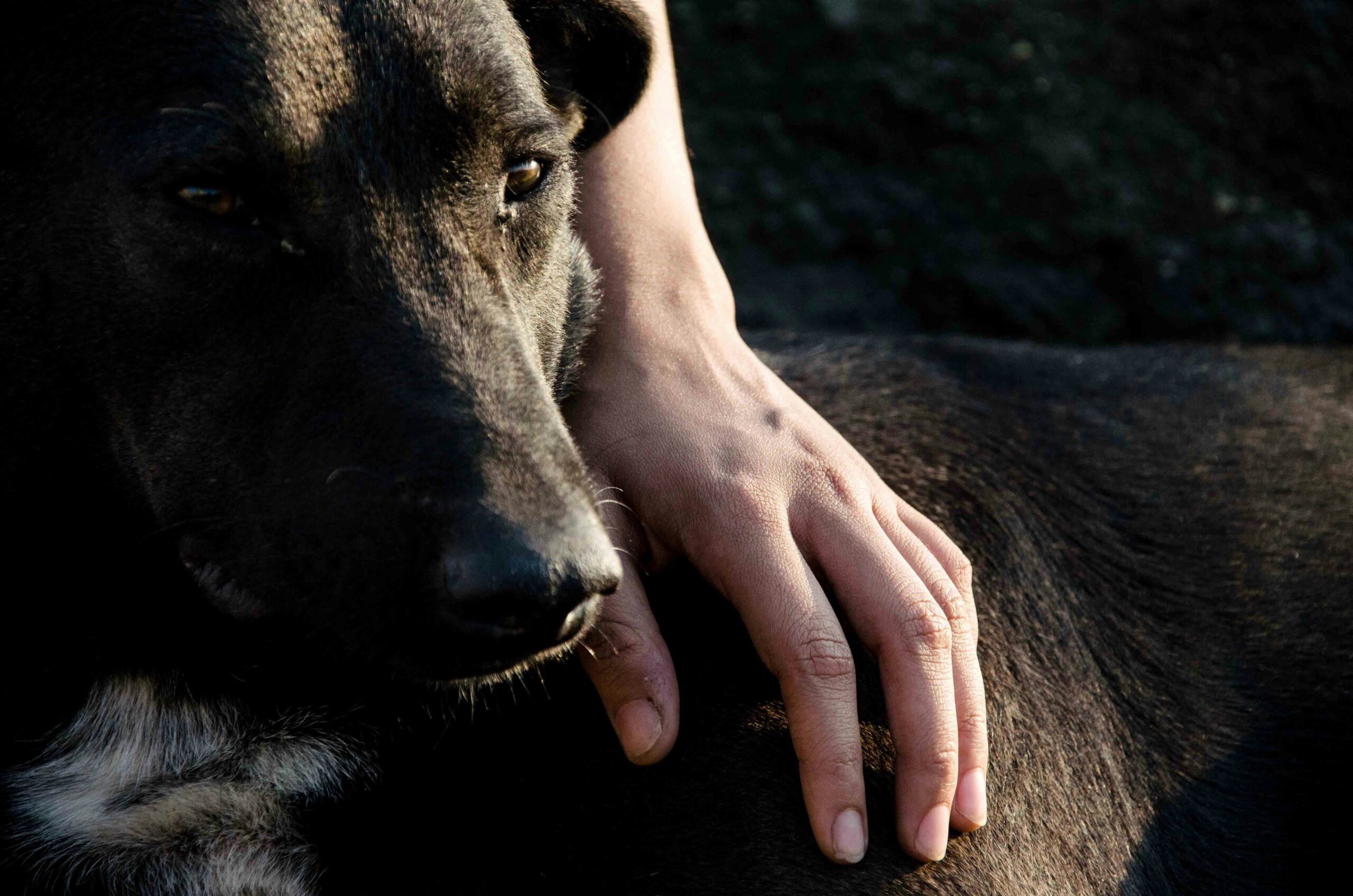
Enrichment goes beyond toys—it stimulates your dog’s mind and supports emotional health.
Enrichment ideas:
-
Food puzzles
-
Sniff walks
-
Training games
-
Hide-and-seek
-
Rotating toys
Sharing enrichment activities builds teamwork and trust.
Play Should Be Pressure-Free
Play should always be optional and enjoyable.
Avoid:
-
Forcing engagement
-
Overstimulation
-
Ignoring stress signals
-
Turning play into control
When dogs feel free to opt in or out, they enjoy play more fully.
How Play Supports Emotional Regulation
Play helps dogs release energy and process emotions. Balanced play supports calmness rather than hyperactivity.
Short, positive play sessions throughout the day are often more effective than long, intense sessions.
 Making Time for Shared Joy
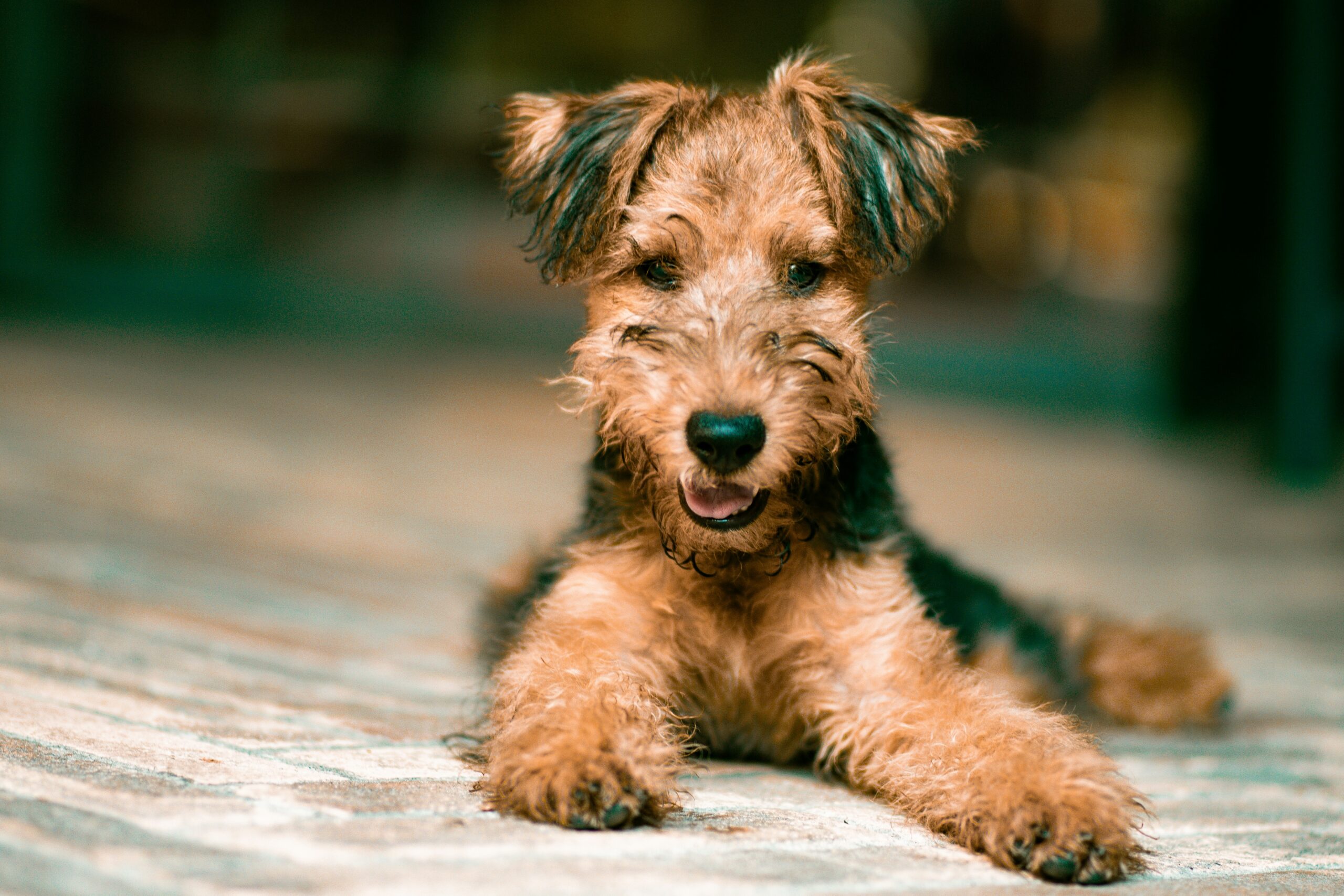
Even a few minutes of intentional play can strengthen your relationship.
Ways to incorporate play:
-
Morning engagement before work
-
Short play breaks
-
Evening wind-down games
Consistency matters more than duration.
Adapting Play as Your Dog Ages
As dogs grow, their play needs change.
Adapt by:
-
Choosing lower-impact games
-
Increasing mental enrichment
-
Respecting physical limitations
-
Adjusting intensity
Play remains important throughout your dog’s life.