
Creating Safe Spaces & Boundaries for Dogs and Babies
When a baby enters the home, both dogs and humans experience major changes. Dogs may feel overwhelmed by new sounds, movements, and scents, while babies require constant attention and protection. Safe spaces help everyone feel secure by reducing stress, preventing accidents, and encouraging calm coexistence.
A safe space is not about separation—it’s about balance, respect, and emotional well-being for both your dog and your baby.
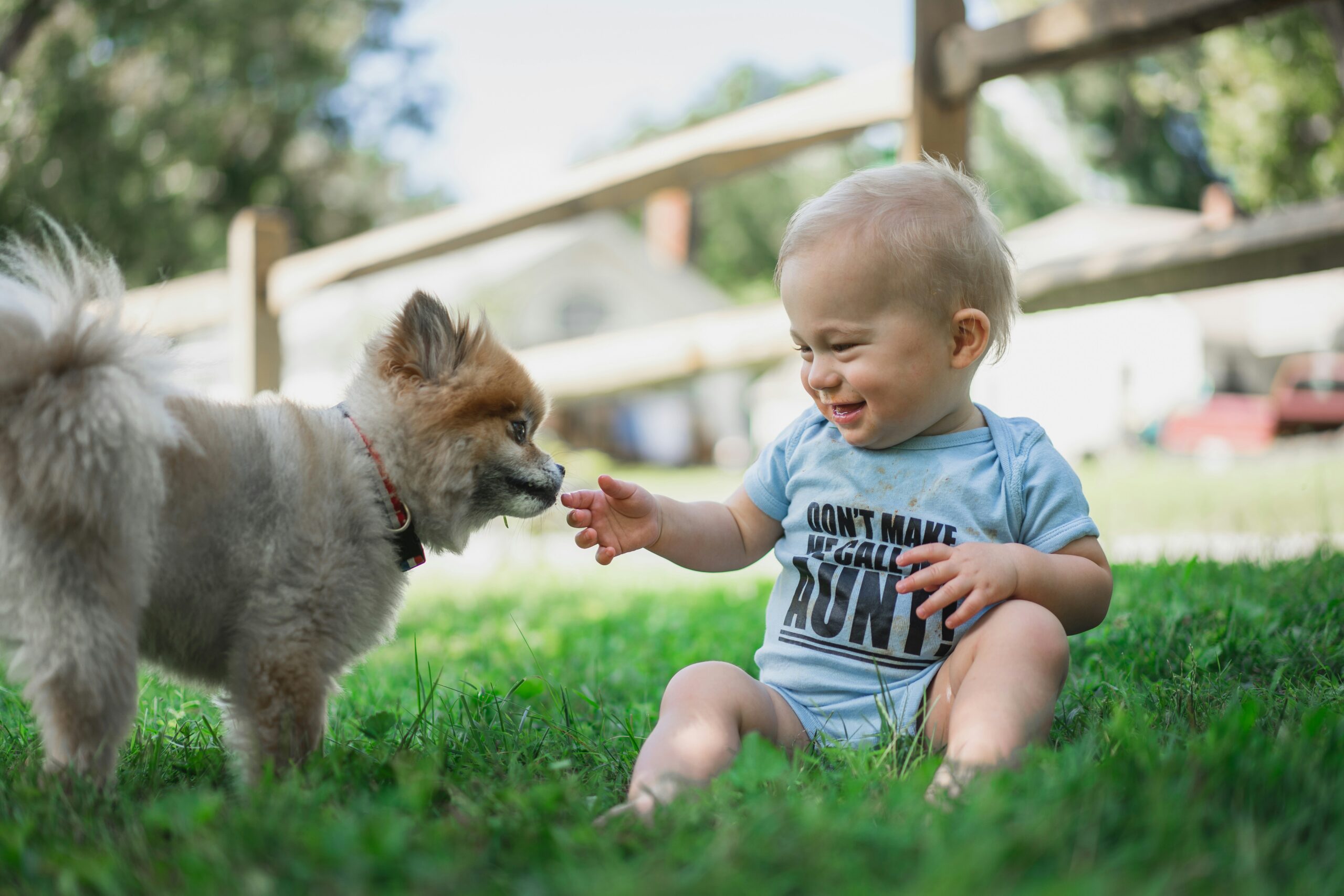
Understanding Your Dog’s Need for Boundaries
Dogs thrive when expectations are clear. Without boundaries, dogs may feel unsure of how to behave around a baby, which can lead to anxiety, avoidance, or overexcitement.
Boundaries:
-
Reduce stress and confusion
-
Prevent overstimulation
-
Encourage calm behavior
-
Protect both baby and dog
Healthy boundaries allow your dog to choose calm engagement or rest without pressure.
Designating a “Dog-Only” Safe Space
Every dog should have a place where they can relax without interruption.
A dog-safe space might include:
-
A crate (left open or closed based on training)
-
A dog bed in a quiet room
-
A gated-off area
This space should:
-
Always be respected
-
Never include baby access
-
Be associated with calm and positive experiences
Teach everyone in the household that when the dog is in this space, they are not to be disturbed.
Teaching Babies to Respect Dog Space (As They Grow)
As babies become mobile, teaching gentle interaction is essential.
Once your child is old enough:
-
Model soft touches
-
Redirect grabbing hands
-
Teach “leave the dog alone” early
-
Supervise all interactions
Early lessons build lifelong respect and safety.
Creating Baby-Safe Zones
Just as dogs need their own space, babies need protected areas too.
Baby-safe zones might include:
-
Play mats
-
Tummy time areas
-
Nurseries or playpens
Using gates or barriers ensures your dog can observe calmly without invading the baby’s space.
 Why Physical Barriers Are Helpful, Not Mean
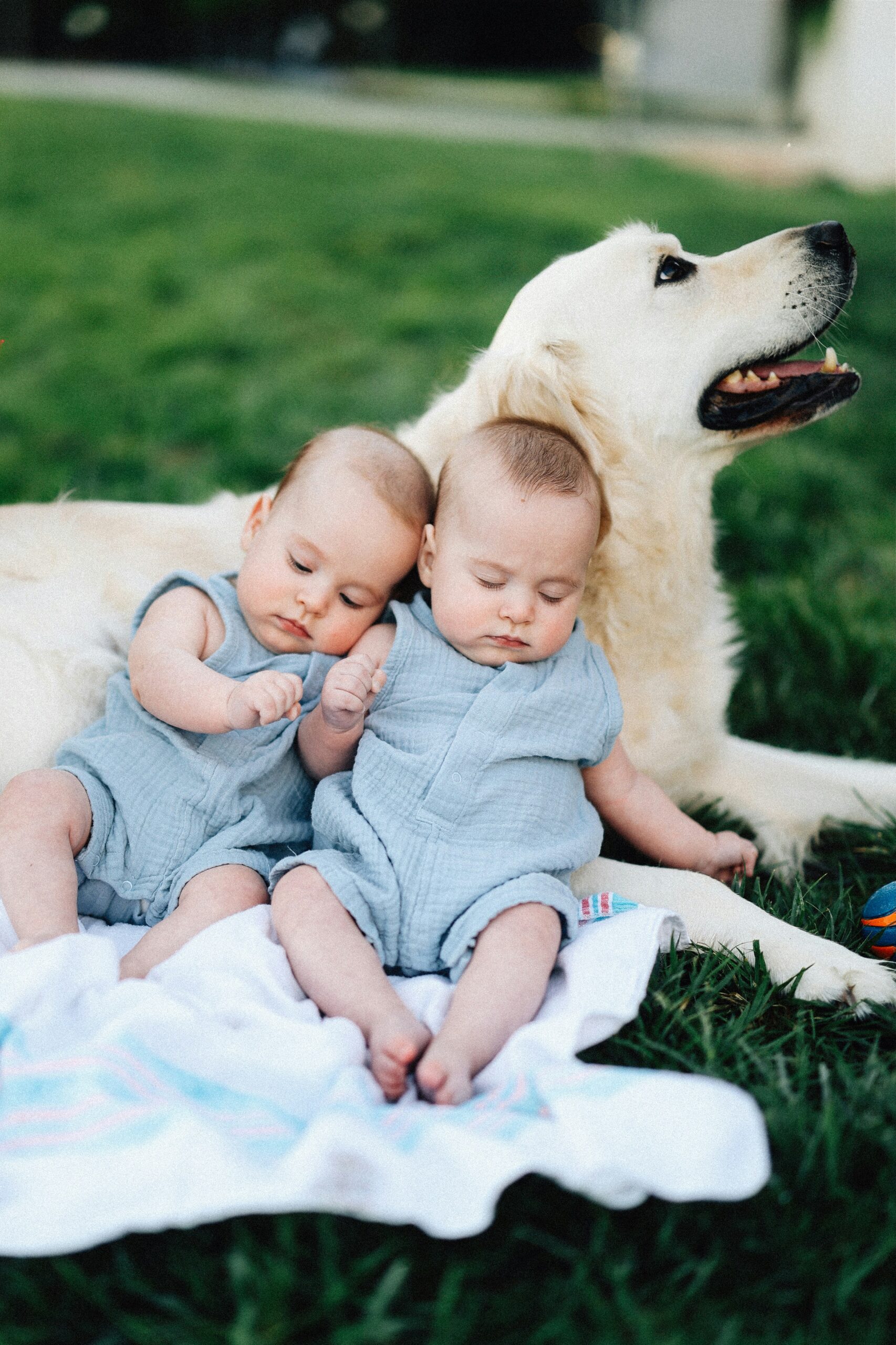
Gates, playpens, and closed doors are tools—not punishments.
They:
-
Reduce overstimulation
-
Prevent accidental bumps
-
Allow calm observation
-
Give parents peace of mind
These tools support structure and safety, especially during busy or stressful moments.
Teaching Calm Behavior Around Baby Areas
Train your dog to be calm near baby spaces using positive reinforcement.
Helpful cues include:
-
Place or mat training
-
Sit and down
-
Stay and settle
Reward calm behavior with treats, praise, or quiet attention.
Recognizing When Your Dog Needs Space
Dogs communicate discomfort through subtle signals.
Watch for:
-
Turning away
-
Lip licking
-
Yawning
-
Moving away
Respecting these cues helps prevent escalation and builds trust.
Never Force Interaction
Well-meaning family members may encourage dogs to “get used to the baby,” but forced interactions can increase stress.
Instead:
-
Let your dog approach on their own terms
-
Keep interactions brief and positive
-
End sessions before stress appears
Choice is empowering for dogs.
 Supervision Is Non-Negotiable
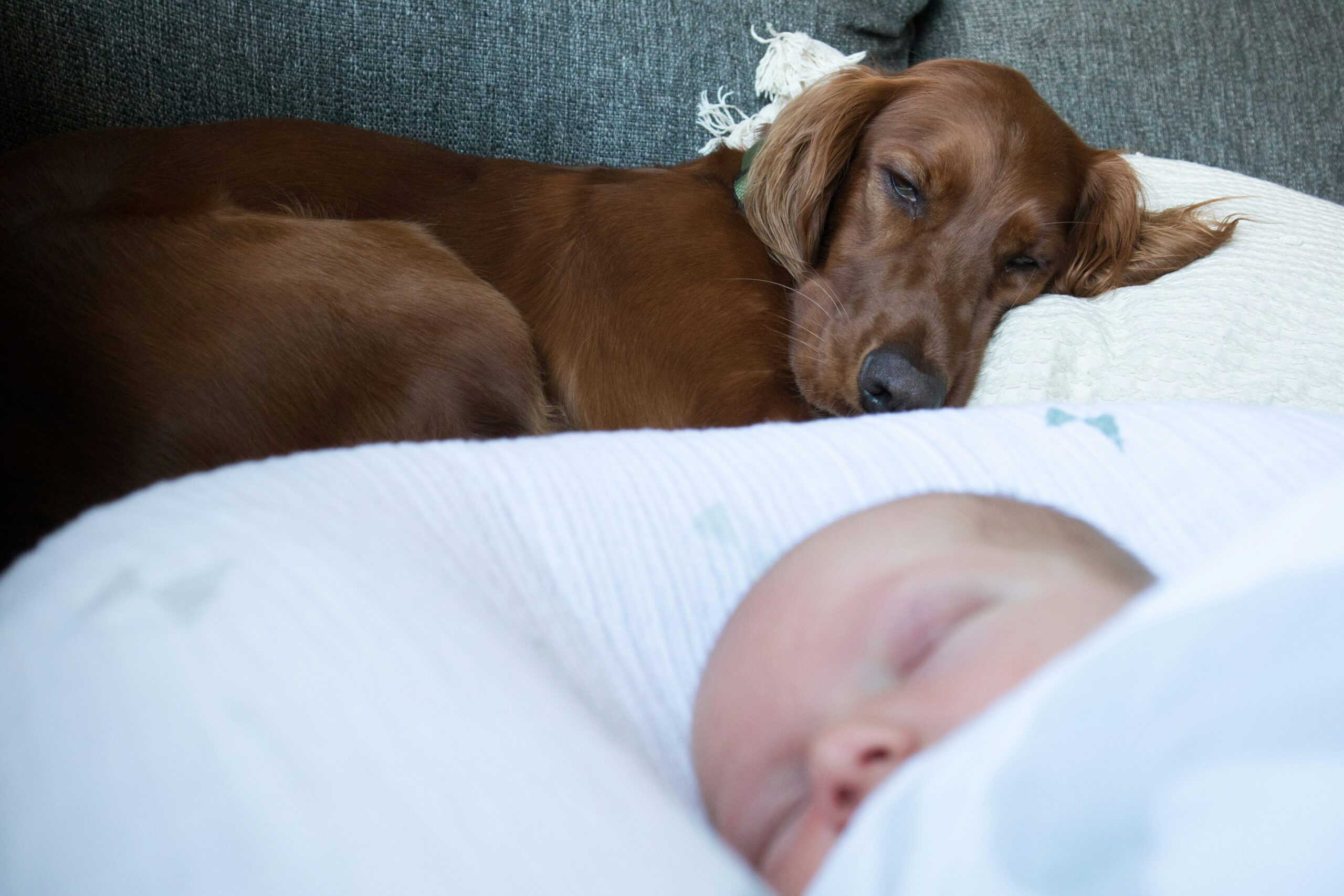
Even the calmest dog should never be left alone with a baby.
Supervision:
-
Prevents accidents
-
Allows immediate intervention
-
Protects your dog from accidental harm
Think of supervision as protection for both parties.
How Safe Spaces Improve the Family Dynamic
When dogs have a reliable retreat and babies have protected areas, the household becomes calmer and more predictable.
Benefits include:
-
Reduced stress
-
Fewer behavioral issues
-
Improved trust
-
Safer interactions
Everyone knows where they belong—and that brings peace.
Building a Home That Works for Everyone
Creating safe spaces and boundaries doesn’t limit connection—it strengthens it. By respecting your dog’s needs and protecting your baby, you lay the foundation for a positive, lifelong relationship.
With structure, patience, and empathy, dogs and babies can thrive together.