
Stop Trigger Barking at the Source
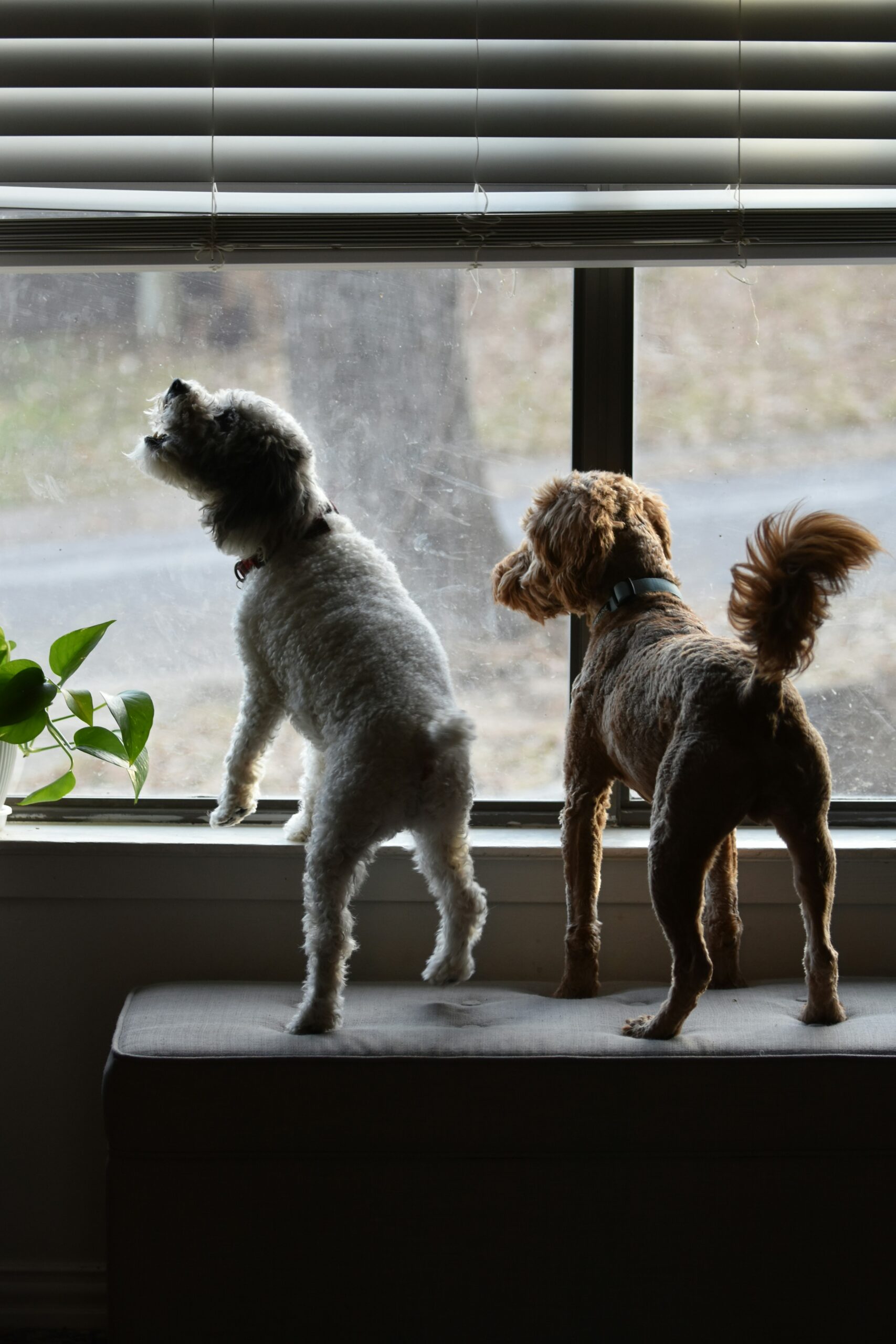
If your dog barks every time:
- The doorbell rings
- Someone walks by the house
- A car pulls in
…you’re dealing with trigger-based barking.
This type of barking feels explosive and automatic—but it can be changed with the right approach.
 Why Trigger Barking Happens

Triggers create emotional responses:
- Excitement
- Alertness
- Fear
- Territorial instinct
Your dog reacts quickly—and barking becomes the default behavior.
Step 1: Manage the Environment
Before training, reduce exposure.
- Close blinds
- Use barriers
- Limit access to windows
This prevents your dog from practicing the behavior repeatedly.
Step 2: Interrupt the Pattern
When a trigger happens:
- Stay calm
- Redirect your dog
- Avoid escalating the situation
The goal is to break the automatic response.
Step 3: Teach a Replacement Behavior
Instead of barking, teach:
- Go to place
- Sit and wait
- Look at you
Practice this outside of trigger situations first.
Step 4: Controlled Exposure
Gradually reintroduce the trigger at a lower intensity.
- Soft knocking instead of loud
- Distant movement before close
Reward calm behavior immediately.
 Consistency Builds Confidence
Over time, your dog learns:
“I don’t need to react—I know what to do.”
That’s when real change happens.