Teaching the Look and Return Method
 One of the most effective ways to teach a dog to ignore other dogs is by allowing them to notice the distraction instead of trying to prevent it.
Many owners instinctively try to block their dog from looking at other dogs. They may pull the leash, redirect their dog immediately, or try to rush past the situation.
But in many cases, preventing the dog from looking can actually increase frustration and curiosity.
Instead, a much more effective method is called the Look and Return technique.
This method teaches your dog that it is okay to notice another dog — but the most rewarding choice is to look back at you.
Why Letting Your Dog Look Can Help
Dogs are naturally curious animals. When another dog appears, their instinct is to gather information.
If they are constantly prevented from looking, they may become even more fixated when they finally do see the other dog.
The Look and Return method works because it removes the pressure of “don’t look.”
Instead, it teaches a simple pattern:
Notice the dog → Disengage → Check in with the human.
Over time, this response becomes automatic.
Start Below Your Dog’s Threshold
Before practicing this method, make sure you are far enough away from the other dog that your dog can stay calm.
Your dog should be able to:
• Notice the other dog without lunging
• Remain relatively relaxed
• Take treats
• Respond to your voice
If your dog is already barking, pulling, or extremely fixated, the distraction is too close.
Increase distance first so your dog can think clearly.
Step 1: Allow Your Dog to Notice the Other Dog
When another dog appears at a comfortable distance, allow your dog to see them.
Do not immediately pull your dog away.
Simply observe your dog’s body language.
The moment your dog looks toward the other dog, stay calm and wait.
Step 2: Mark the Moment Your Dog Disengages
At some point, your dog will naturally break their gaze.
They may glance back toward you, look at the ground, or briefly shift their attention away.
The moment this happens:
Mark the behavior with your marker word or clicker.
Then immediately reward your dog.
The timing here is important. You are rewarding the decision to disengage.
Step 3: Reinforce the Check-In
Many dogs will quickly realize that looking back at you earns rewards.
Once your dog begins checking in more frequently, continue marking and rewarding those moments.
Your dog starts learning a new habit:
Seeing another dog becomes the cue to reconnect with you.
 Why This Method Works
The Look and Return method works because it changes the emotional pattern around distractions.
Instead of escalating into excitement or tension, your dog experiences:
• Observation
• Relaxation
• Reward for disengagement
Over time, this sequence replaces reactive behavior.
Dogs begin to understand that calm attention shifts are the most successful strategy.
Keep Your Body Language Calm
Your dog pays close attention to your body language during training.
If you become tense, hold the leash tightly, or show frustration, your dog may interpret the situation as stressful.
Instead:
• Keep the leash loose
• Maintain a relaxed posture
• Use a calm, confident tone
Your calm energy helps your dog stay regulated.
Practice in Controlled Environments First
The Look and Return technique is easiest to teach in predictable environments.
Good training locations include:
• Large parks with open space
• Walking trails where you can step aside
• Quiet neighborhoods
• Areas where dogs pass occasionally but not constantly
Controlled environments give you time to practice without feeling rushed.
Avoid Rushing the Process
Some dogs learn this pattern quickly, while others need more repetition.
Focus on consistency rather than speed.
If your dog successfully disengages once or twice during a walk, that is meaningful progress.
Training is built through many small successful moments.
Gradually Build Reliability
As your dog improves, you can begin practicing with slightly closer distances or more frequent dog sightings.
Continue reinforcing the same pattern:
Notice → Disengage → Reward.
Eventually your dog may begin checking in immediately after spotting another dog without waiting.
This is a great sign that the training is working.
Signs Your Dog Is Learning
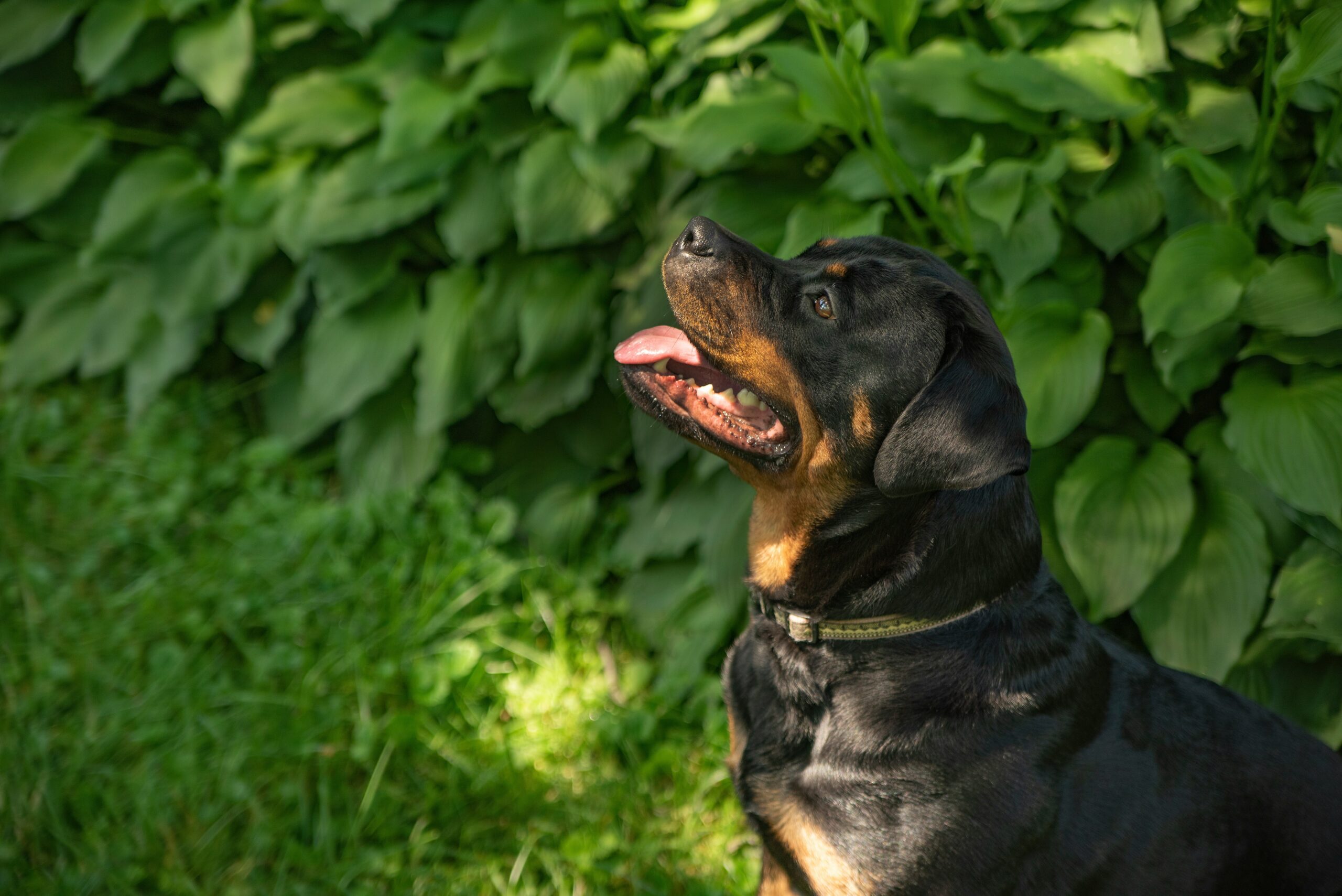
As the Look and Return method begins to work, you may notice positive changes such as:
• Shorter periods of staring at other dogs
• Faster check-ins with you
• Reduced leash tension
• A more relaxed walking pace
These small improvements show that your dog is learning a calmer way to respond to distractions.
Be Patient with Setbacks
Training is rarely a perfectly straight path.
Some days your dog may struggle more than others.
Factors like excitement, fatigue, environment, or distance can influence behavior.
When setbacks happen, simply increase distance again and return to easier situations where your dog can succeed.
Consistency over time will produce lasting change.
The Bottom Line
The Look and Return method teaches your dog a powerful life skill: noticing distractions without becoming consumed by them.
By allowing your dog to observe other dogs and rewarding the choice to disengage, you help build calm decision-making.
Instead of reacting automatically, your dog learns to pause, think, and reconnect with you.
With practice, this skill becomes a reliable habit that makes walks far more enjoyable.