
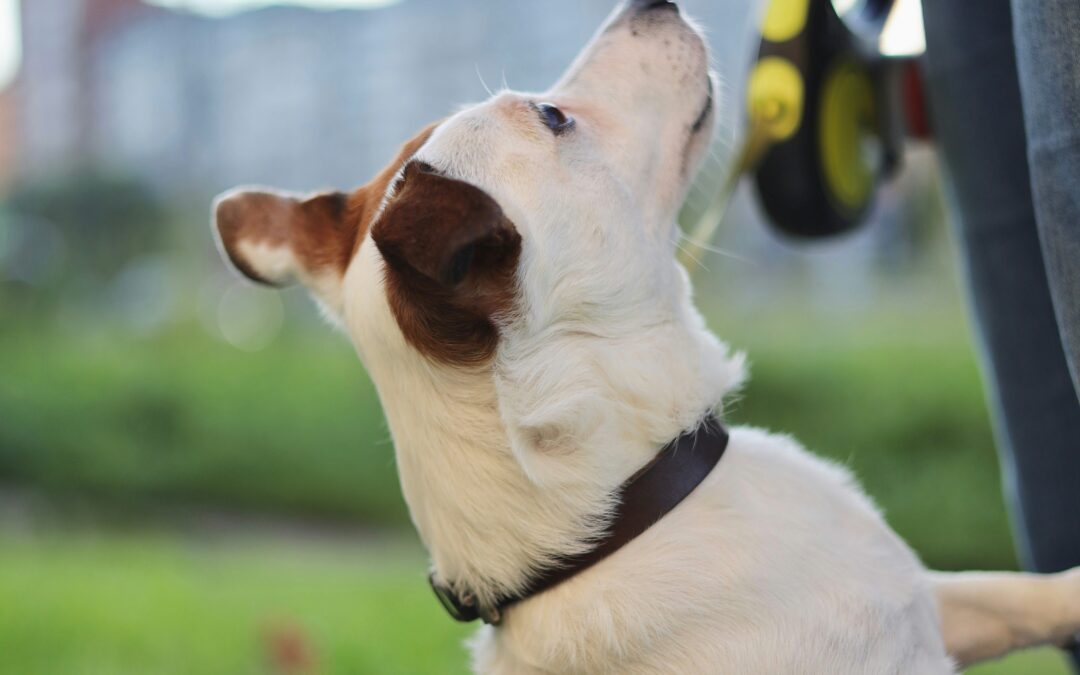
How to Mark Calm Behavior in Dogs
When most people think about dog training, they think about commands:
Sit.
Stay.
Come.
Heel.
But some of the most important behaviors you can reinforce aren’t commands at all.
They’re moments of calm.
Marking calm behavior — instead of only marking tricks — is one of the most powerful ways to shape your dog’s emotional state. It builds stability, reduces reactivity, and creates a dog who chooses relaxation on their own.
And the best part?
You don’t even have to ask for it.
 What Does “Capturing Calm” Mean?
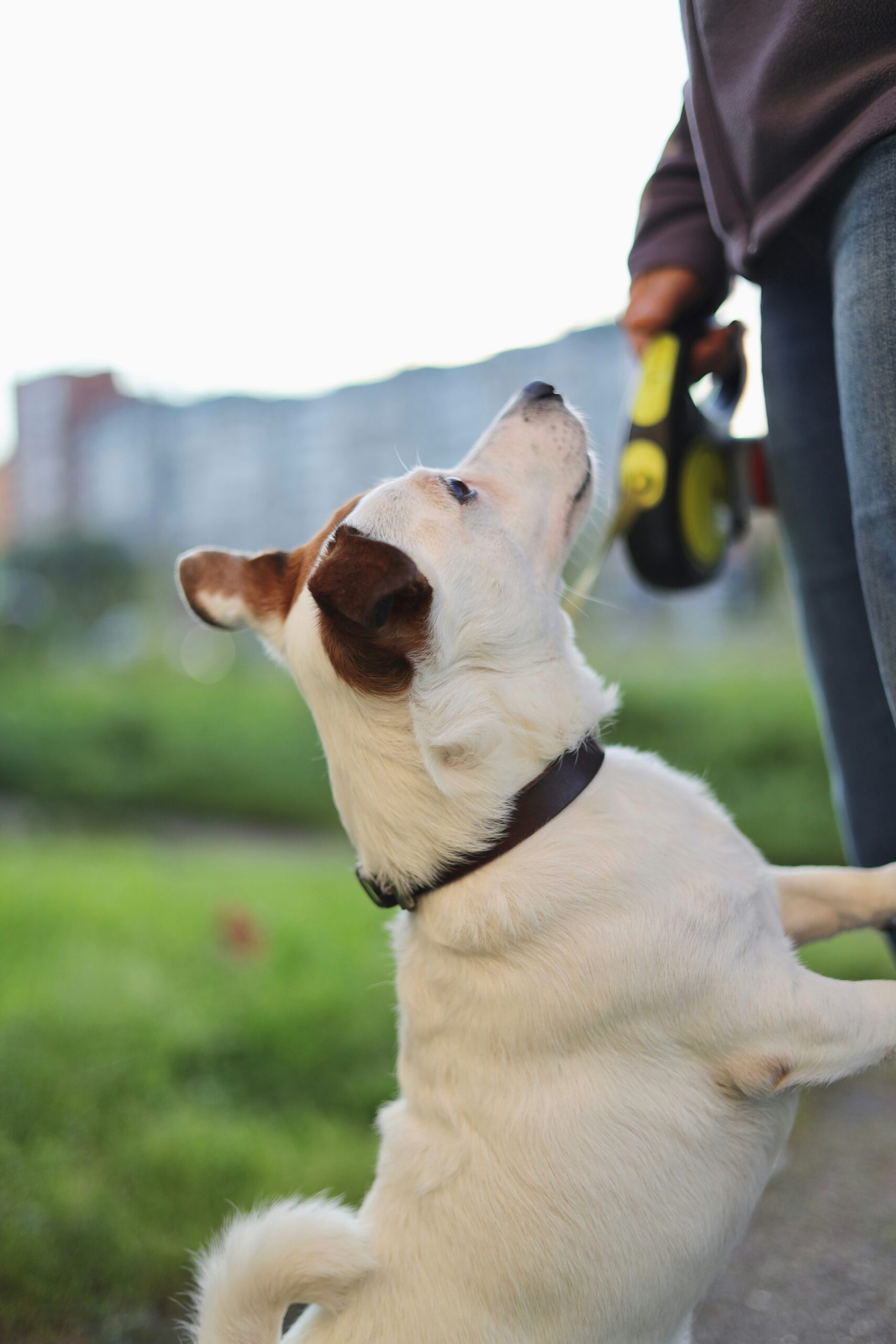
Capturing is the act of marking a behavior your dog offers naturally — without prompting.
Instead of cueing “Down,” you simply notice:
-
Your dog lies quietly at your feet.
-
Your dog looks at a distraction but stays composed.
-
Your dog settles on their bed.
-
Your dog sighs and relaxes.
You mark it.
Then reward it.
You’re teaching:
“This right here — this calm energy — is valuable.”
Why Calm Behavior Should Be Reinforced
Dogs repeat behaviors that are reinforced.
If excitement always earns attention, engagement, or play, excitement grows stronger.
If calm behavior is ignored, it may not increase.
Many owners unintentionally reinforce:
-
Jumping
-
Barking
-
Whining
-
Hyper greetings
Because those behaviors get interaction.
Meanwhile, calm lying quietly earns nothing.
Reinforcement shapes patterns. If you want more calm, you must mark and reward it.
The Emotional Side of Training
Marking calm behavior doesn’t just teach posture — it shapes emotional responses.
For example:
Your dog sees another dog on a walk but stays relaxed.
If you mark and reward that composed moment, you’re reinforcing emotional regulation.
Over time, your dog learns:
“Staying calm around distractions pays.”
This builds resilience and reduces reactivity far more effectively than constant correction.
 How to Start Marking Calm Behavior
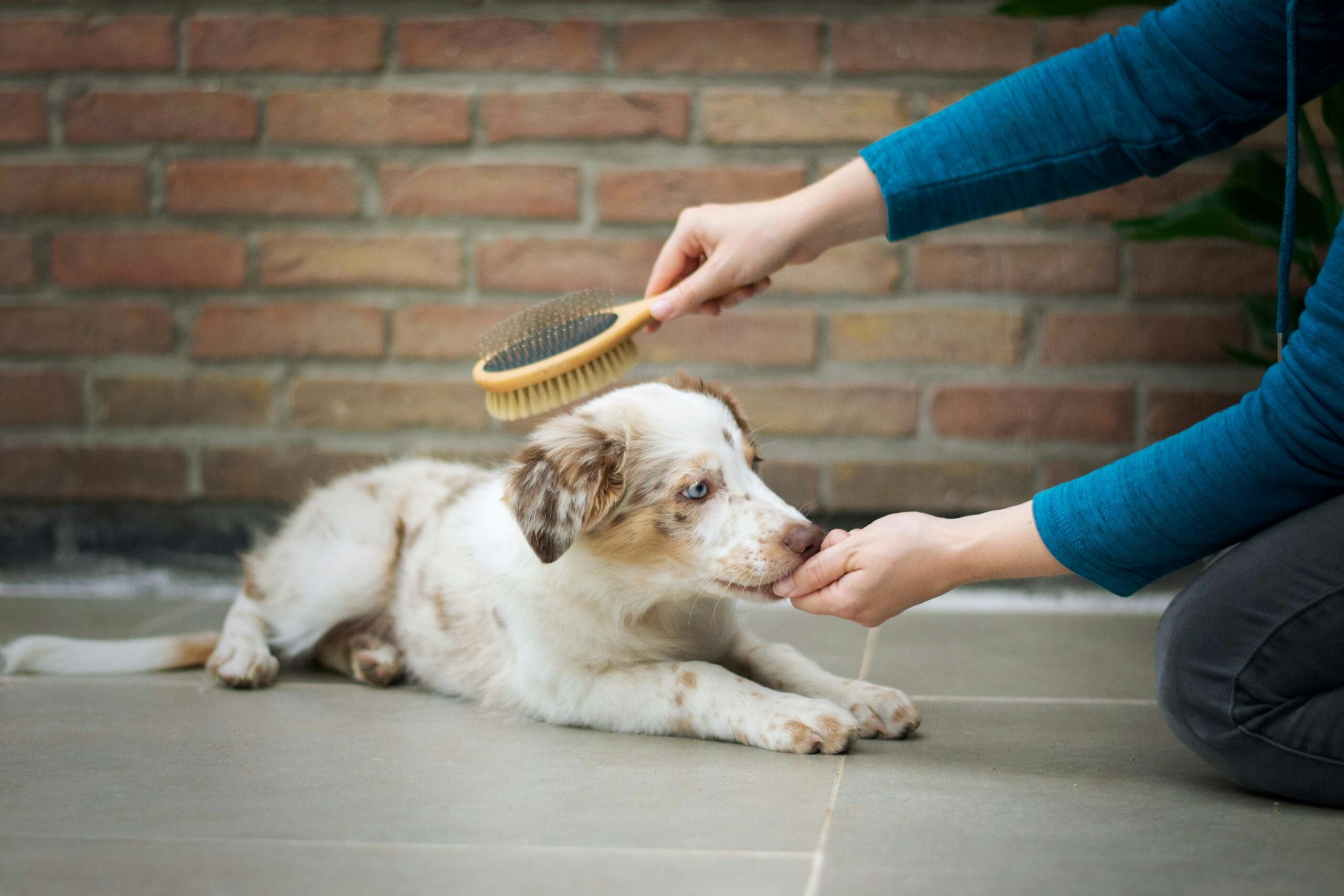
Step 1: Watch, Don’t Command
Instead of asking for behaviors, simply observe.
Look for:
-
Soft body language
-
Relaxed breathing
-
Settled posture
-
Neutral focus
-
Quiet observation
The second you see it, mark.
“Yes.”
Then calmly reward.
Step 2: Keep Rewards Low-Key
If your goal is calmness, your delivery matters.
Avoid:
-
Loud excitement
-
Overly animated praise
-
Fast movements
Deliver the reward gently.
You want the reinforcement to support the emotional state — not spike it.
Step 3: Repeat Frequently
Calm moments happen more often than you think.
Your dog lies down on their own? Mark.
They sit quietly while you cook? Mark.
They wait patiently at the door? Mark.
The more you capture it, the more it grows.
Where This Works Best
1. In the House
Many behavioral struggles start at home.
Mark:
-
Relaxing on a mat
-
Settling after play
-
Quiet independence
-
Choosing their bed instead of pacing
This builds household manners effortlessly.
2. On Walks
Calm walking is a series of small moments:
-
Loose leash
-
Eye contact
-
Ignoring distractions
-
Checking in
Mark those tiny wins.
Over time, they add up to a completely different walking experience.
3. Around Triggers
If your dog struggles with:
-
Other dogs
-
Visitors
-
Sounds
-
Movement
Look for even half-seconds of calm.
Did they see the trigger and stay composed?
Mark.
You’re reinforcing stability in the presence of stressors.
That’s powerful.
Why This Builds Confidence
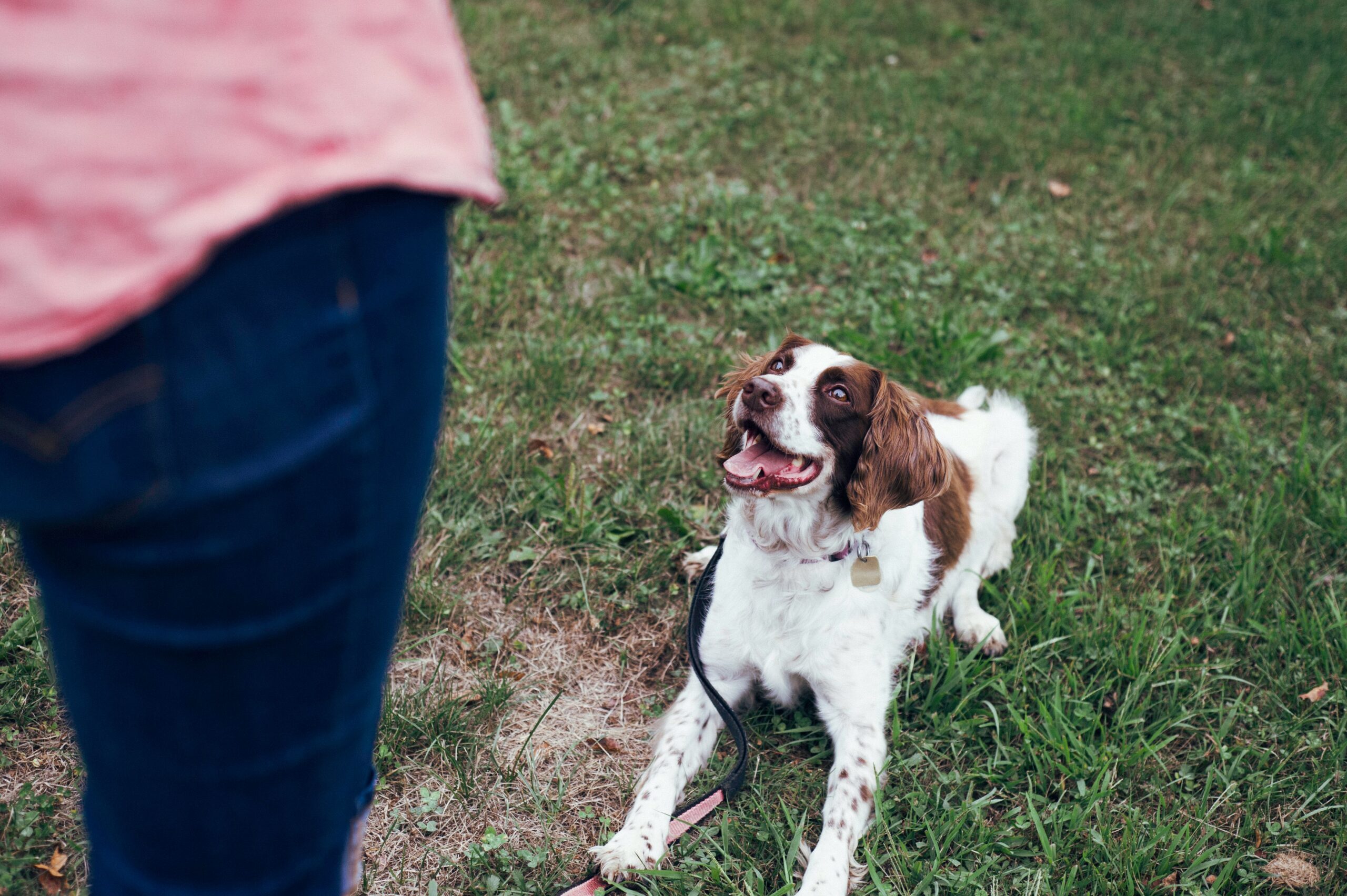
When dogs are constantly corrected for excitement, they can become unsure.
When dogs are consistently reinforced for calm choices, they gain clarity.
They learn:
“I know how to succeed.”
Confidence grows when dogs understand what works.
Marking calmness tells them exactly which emotional responses are safe and rewarding.
A Common Mistake: Waiting Too Long
Many people wait for “perfect calm.”
But perfection isn’t necessary.
If your dog:
-
Pauses barking briefly
-
Lies down for three seconds
-
Softens their body posture
Mark it.
Reinforce small steps.
Behavior grows gradually, not instantly.
The Long-Term Effect
When you consistently mark calm behavior:
-
Hyperactivity decreases.
-
Self-settling improves.
-
Reactivity softens.
-
Focus increases.
-
Impulse control strengthens.
And here’s the best part — your dog starts offering calmness without being asked.
Because it has value.
Calm Is a Skill
Some dogs are naturally relaxed.
Others are high-energy, driven, or easily stimulated.
Calmness is not always automatic — but it can be taught through reinforcement.
By marking it consistently, you turn calm into a practiced behavior rather than a random occurrence.
The Bottom Line
You don’t need to command every good behavior.
Sometimes the most powerful training happens when you simply notice what your dog is already doing well.
Mark it.
Reward it.
Repeat it.
Calmness grows where reinforcement flows.
And when you start capturing calm instead of only correcting chaos, you’ll be amazed at how quickly your dog begins choosing peace on their own.