
Preventing Future Stomach Upsets in Your Dog

Preventing Digestive Problems Before They Start
An upset stomach can happen to any dog—but with the right habits, routines, and nutrition choices, you can dramatically reduce how often it occurs. Preventing digestive issues is all about consistency, safe foods, and understanding what your dog’s stomach can (and cannot) handle.
If your dog has ever struggled with diarrhea, vomiting, or a sensitive gut, this guide will help you build a lifestyle that supports long-term digestive health and keeps those belly troubles away.
1. Stick to a Consistent Feeding Schedule
Dogs thrive on routine—especially their stomachs.
Feeding your dog at the same time every day helps regulate digestion, reduce stress, and prevent overeating (a common cause of upset stomachs).
A helpful schedule is:
-
Twice daily for most adult dogs
-
Three times daily for puppies
-
Smaller, more frequent meals for sensitive-stomach dogs
Avoid feeding right before intense playtime or exercise. A calmer stomach digests food better.
2. Transition Foods Slowly (Never Overnight!)
One of the most common causes of sudden diarrhea is switching dog foods too quickly.
When changing foods, follow a 7–10 day transition:
-
Days 1–3: 75% old food + 25% new food
-
Days 4–6: 50% old food + 50% new food
-
Days 7–9: 25% old food + 75% new food
-
Day 10: 100% new food
Slower transitions may be needed for extra-sensitive dogs.
This gradual approach gives the gut time to adjust to new proteins, fibers, and nutrient levels.
3. Avoid Table Scraps & Rich Holiday Foods
Many digestive problems start with human food—even seemingly harmless bites.
Common offenders include:
-
High-fat foods (bacon, steak trimmings, gravy)
-
Dairy
-
Spicy or seasoned foods
-
Sweets and baked goods
-
Bread and rolls
-
Fatty leftovers around holidays
Not only can these cause stomach upset, but fatty foods can trigger serious issues like pancreatitis.
Stick to dog-safe treats and avoid feeding from the table.
 4. Choose Treats & Chews Wisely
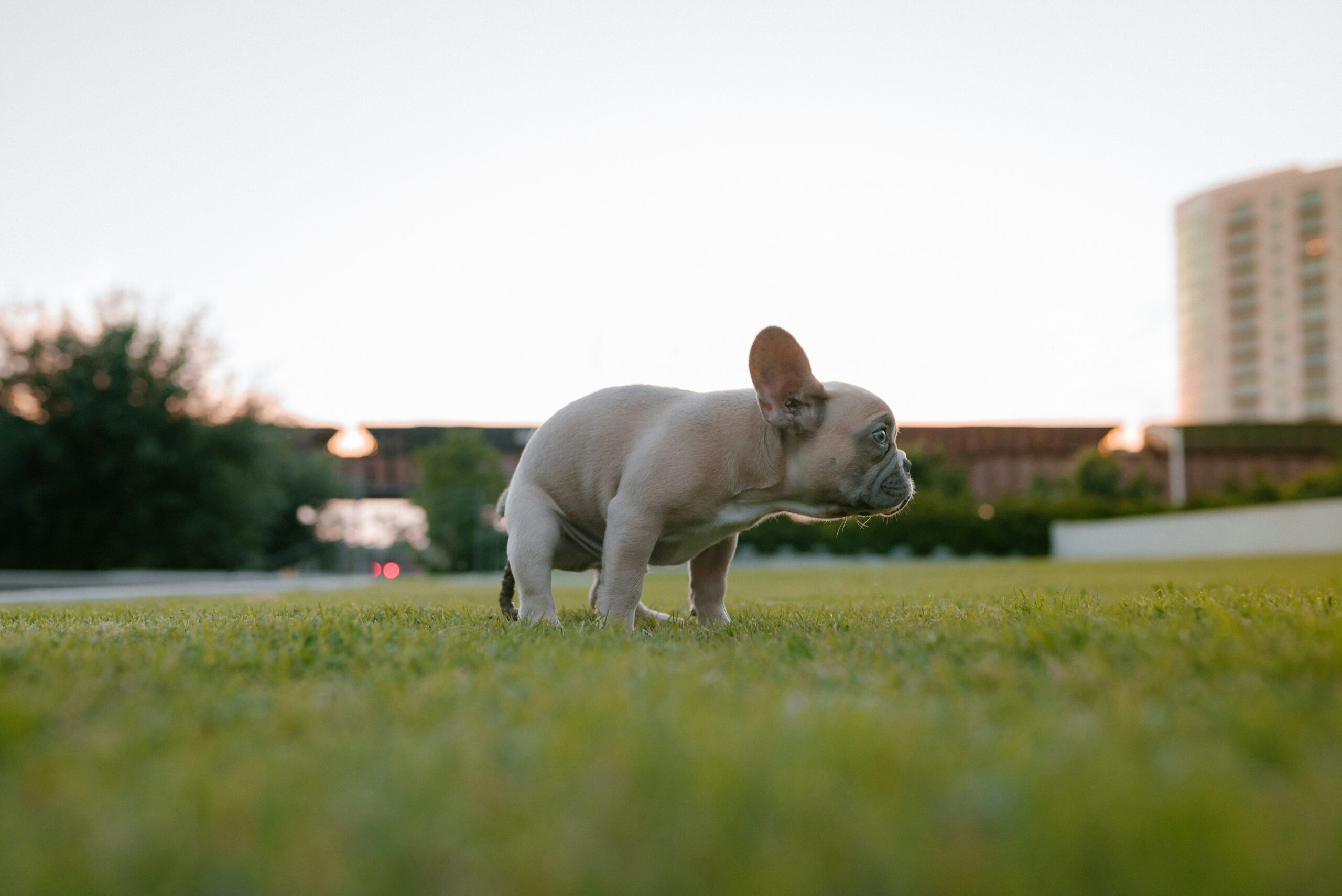
Not all treats are gentle on the stomach. Some can cause diarrhea due to:
-
Excess fat
-
Artificial ingredients
-
Overfeeding
-
Hard-to-digest chews
Better options include:
-
Single-ingredient treats (freeze-dried chicken, fish, or beef)
-
Low-fat biscuits
-
Sweet potato chews
-
Dog-safe fresh veggies like carrots or green beans
Monitor how many treats your dog consumes—too many can disrupt digestion quickly.
5. Keep Trash & Forbidden Foods Out of Reach
Many stomach upsets come from “mystery” sources: the trash, the compost, or dropped food.
Make sure:
-
Trash cans have secure lids
-
Food is not left on low tables
-
Bags of snacks are stored out of reach
-
Guests know not to feed the dog
Dogs are opportunistic eaters—and curious noses lead to many digestive emergencies.
6. Reduce Stress and Build a Calm Environment
Stress affects dogs just like humans—especially their digestive system.
Stress-related diarrhea is common during:
-
Travel
-
Boarding
-
Daily routine changes
-
Visitors
-
Loud noises
-
New pets in the home
To help prevent stress diarrhea:
-
Keep a predictable daily routine
-
Use calming chews or supplements (vet-approved)
-
Provide a safe place for decompression
-
Use enrichment toys to reduce boredom
-
Take walks at calm, familiar locations
A relaxed dog digests better.
 7. Use Probiotics for Ongoing Gut Support

Probiotics are beneficial bacteria that help maintain a healthy digestive environment.
Consistent probiotics can:
-
Improve stool quality
-
Reduce diarrhea frequency
-
Strengthen immunity
-
Balance gut flora after stress or antibiotics
Daily use is often recommended for dogs with sensitive stomachs. Choose a dog-specific probiotic—human formulas are often too strong.
8. Keep Your Dog Hydrated
Proper hydration keeps digestion running smoothly and can prevent constipation and diarrhea.
Tips for encouraging hydration:
-
Keep fresh water available in multiple locations
-
Add water or bone broth to meals
-
Use a pet water fountain to entice picky drinkers
Hydration plays a big role in preventing stomach upset, especially after exercise or during hot weather.
9. Monitor Chew Toys & Bones
Some chews can cause blockages or upset stomachs, especially:
-
Rawhide
-
Cooked bones
-
Pig ears (high-fat)
-
Poor-quality rawhide alternatives
Safer choices include:
-
Rubber toys
-
Nylon bones
-
Antlers (for experienced chewers only)
-
Strong rope toys
Always supervise chewing sessions and remove toys that are breaking apart.
10. Keep Up With Regular Vet Care
Routine veterinary care supports digestive health by:
-
Monitoring parasites
-
Managing allergies
-
Catching underlying issues like IBD
-
Updating diet recommendations
-
Addressing chronic stomach sensitivities early
If your dog has repeating episodes of diarrhea, your vet may recommend a more targeted diet or testing.
Final Thoughts: Small Habits Make a Big Difference
Preventing stomach upset isn’t about changing everything—it’s about building consistent, calm, safe routines around feeding, treats, enrichment, and overall wellness.
With slow transitions, safe food choices, stress management, and daily gut support, you can significantly reduce the frequency and severity of digestive problems. A healthy gut means a happier, more comfortable dog—and a lot less stress for you, too.